Hygienic Design Conference: Shaping Safety in the Food Industry
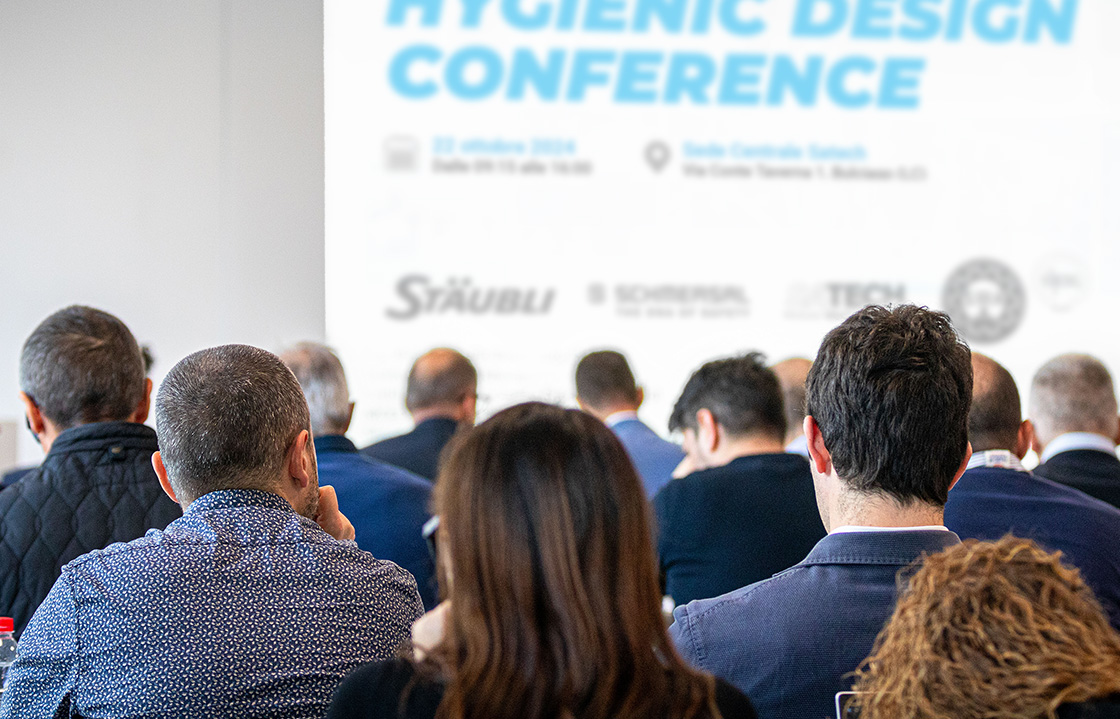
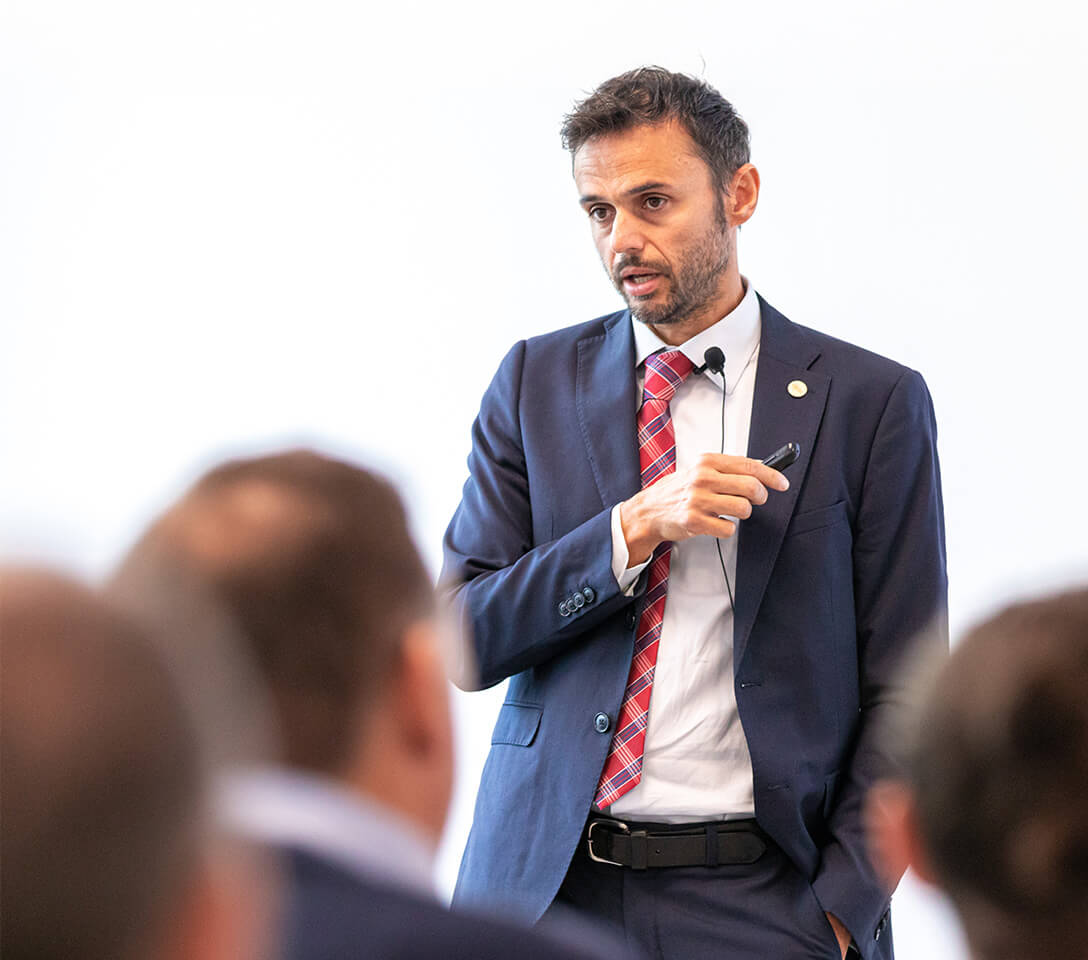
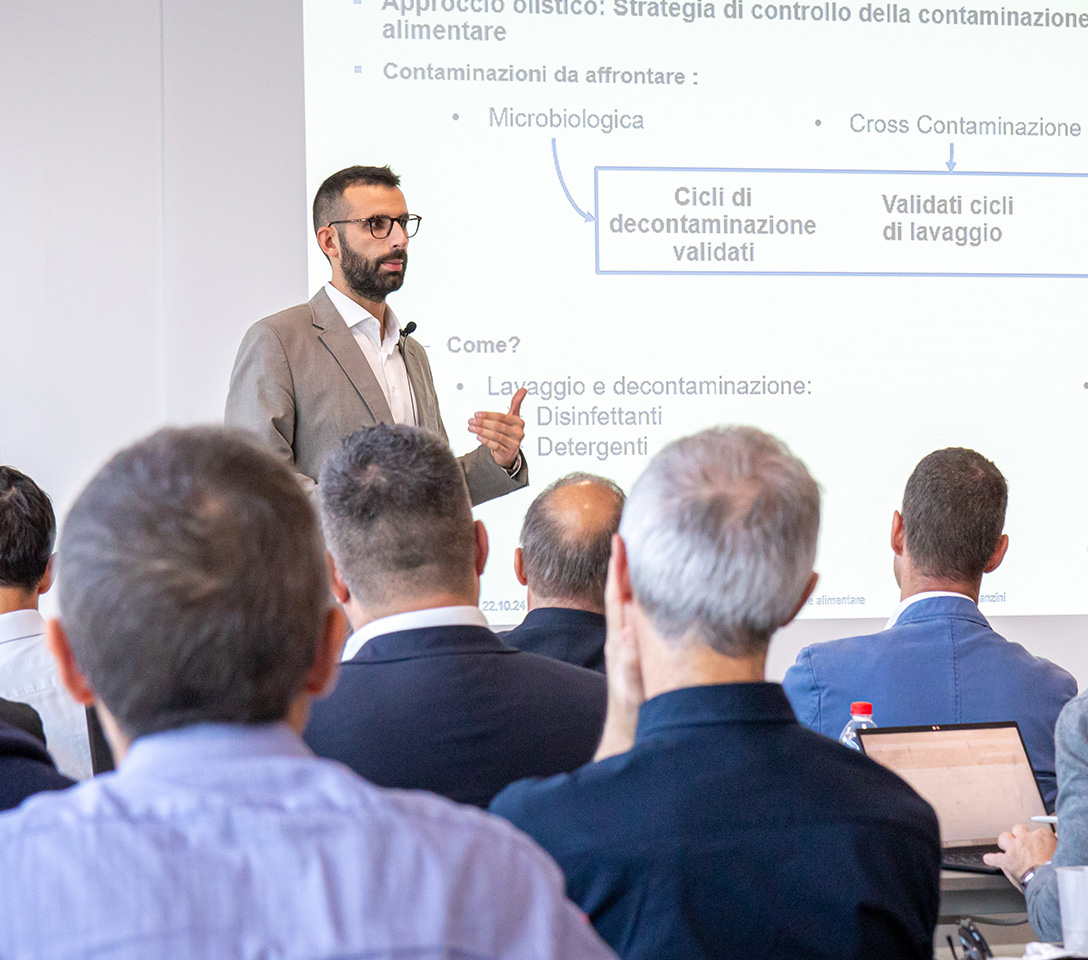
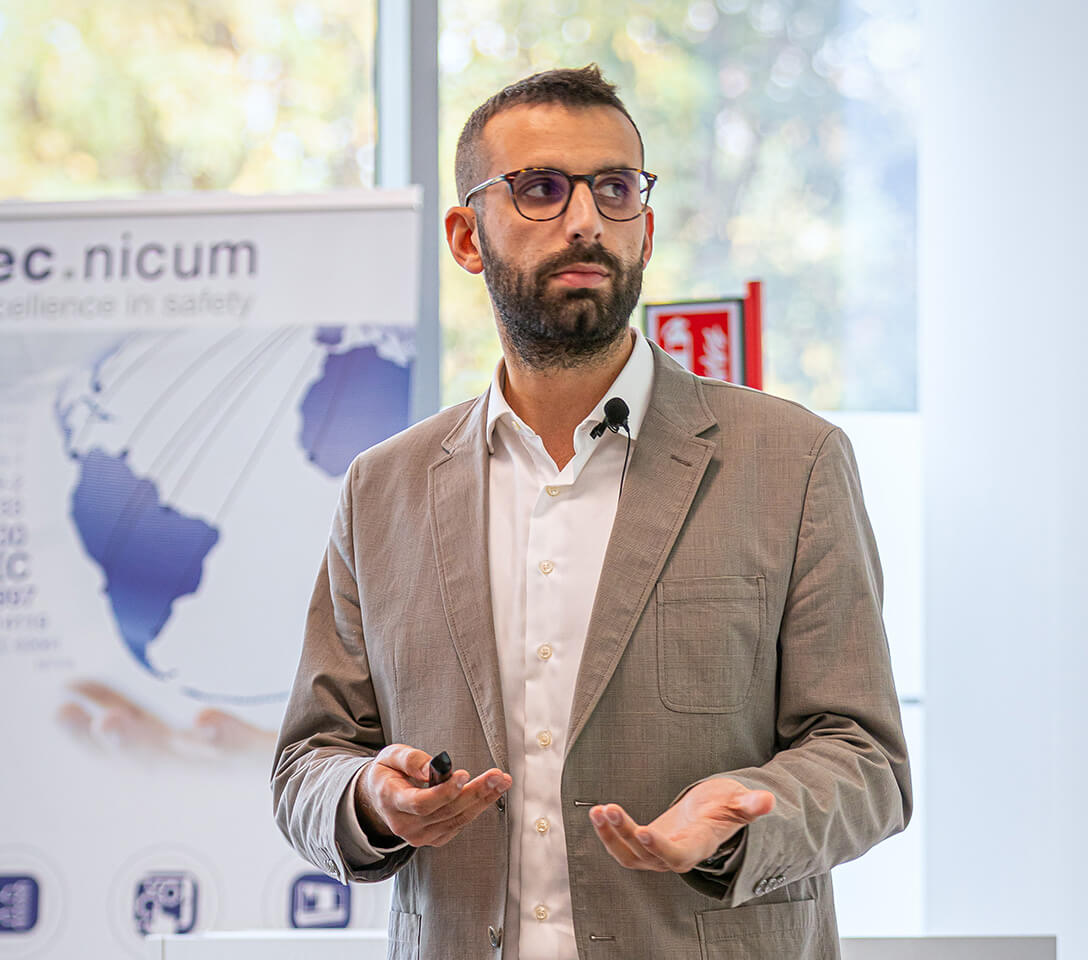
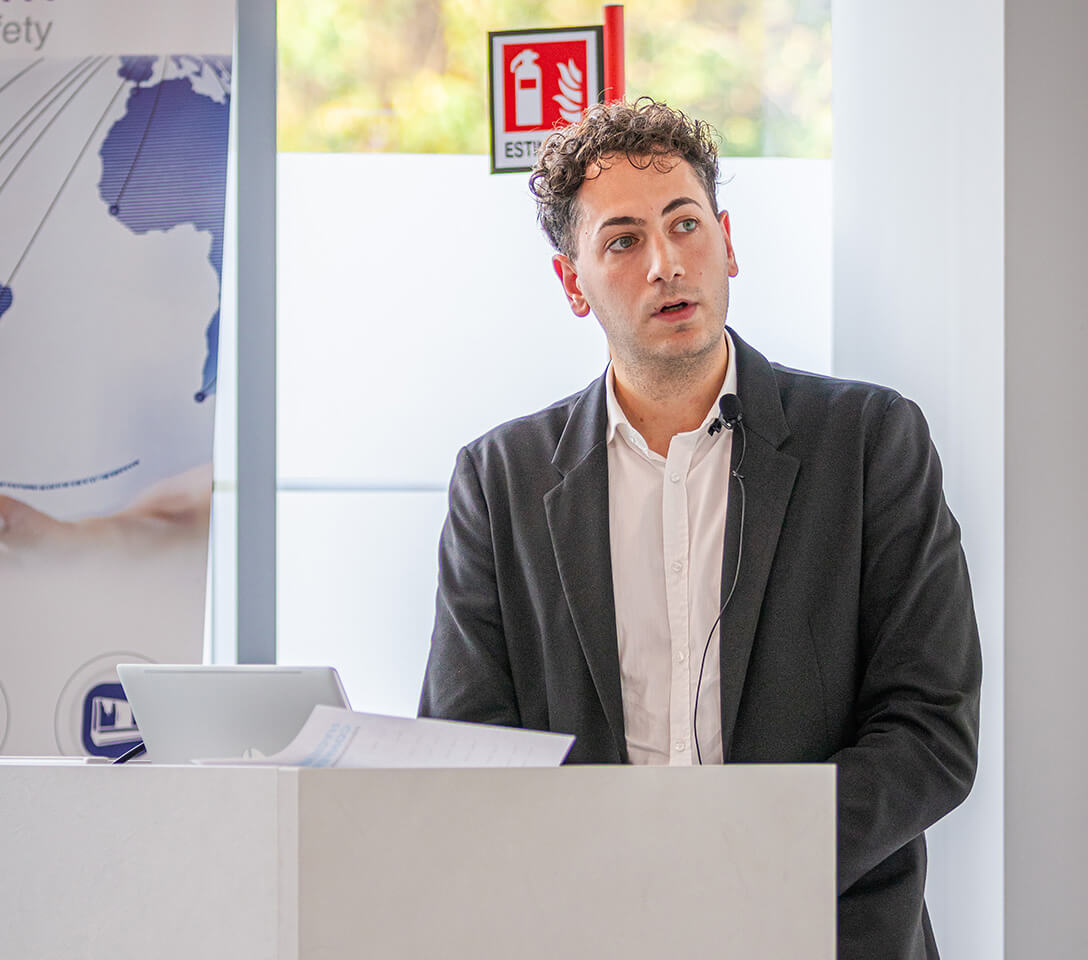
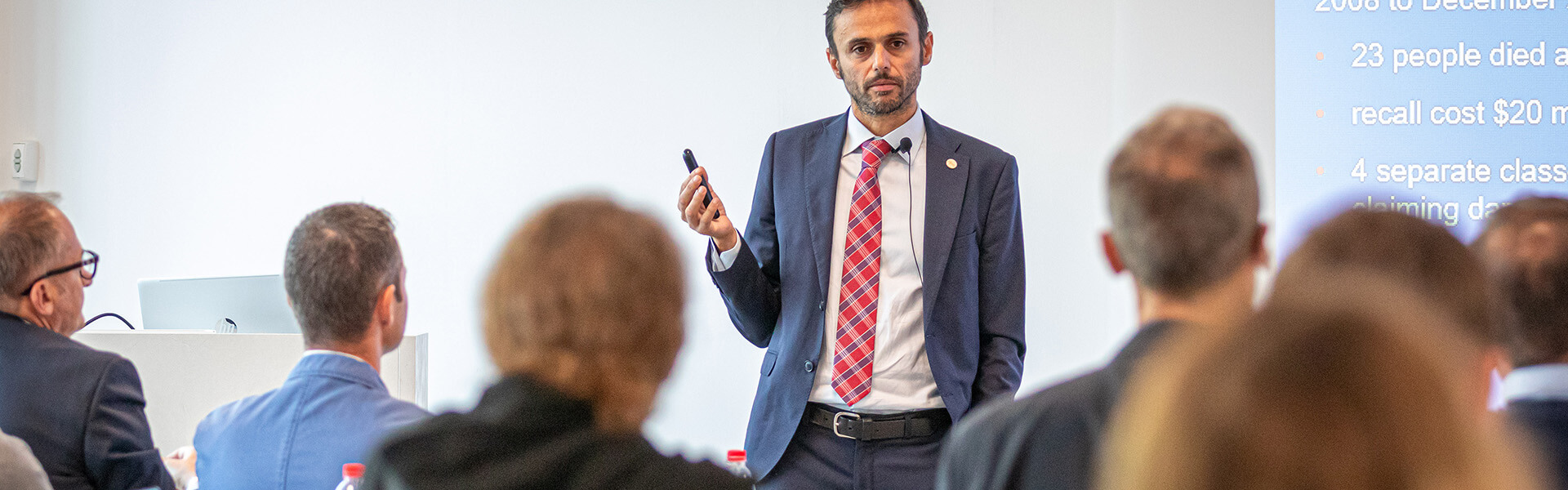
On October 22, 2024, we hosted the first Hygienic Design Conference: a training day dedicated to companies and professionals in the Food sector.

Organized through a collaboration between Satech, Schmersal, Stäubli, and SIIIA, the event featured presentations from various experts, each bringing unique experience and knowledge, united by the common goal of promoting a Culture of Safety in every aspect.
Topic Overview: Regulations, Risks, and Opportunities in the Food Industry
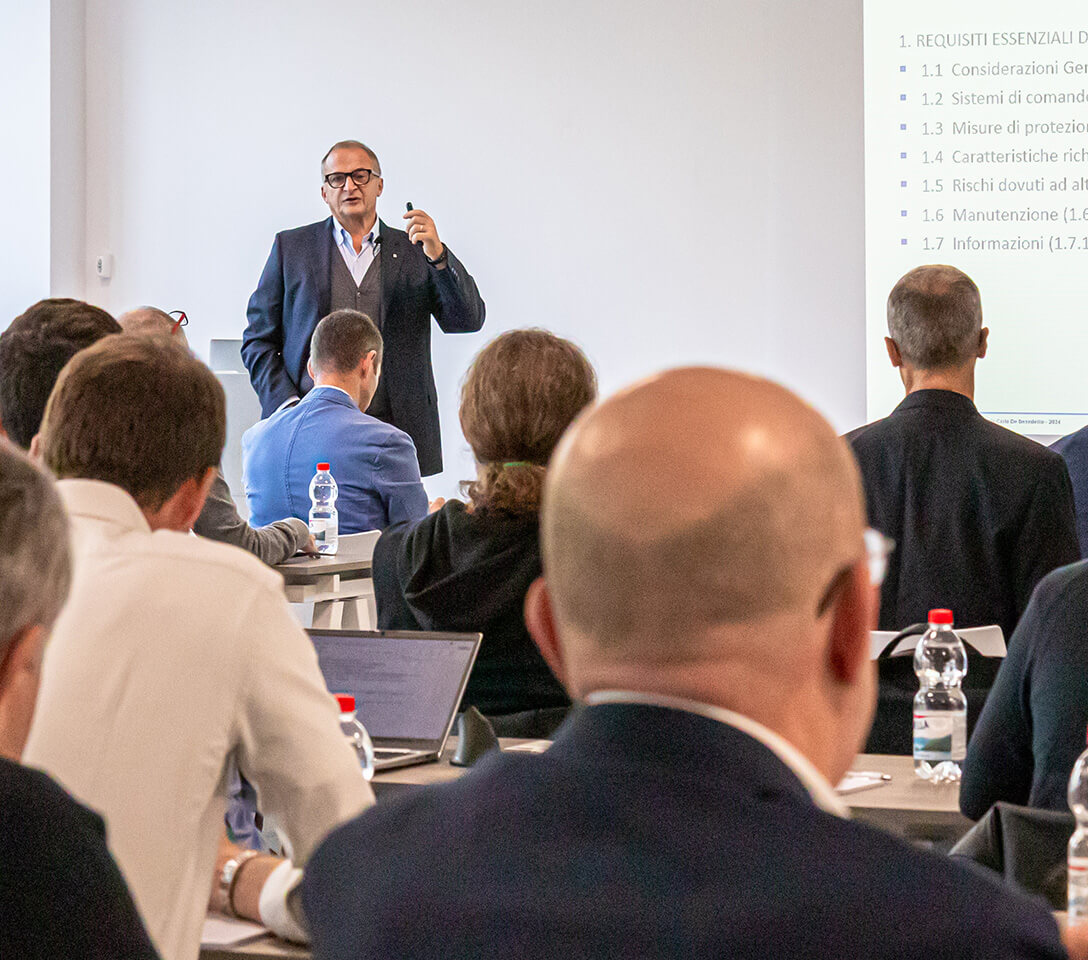
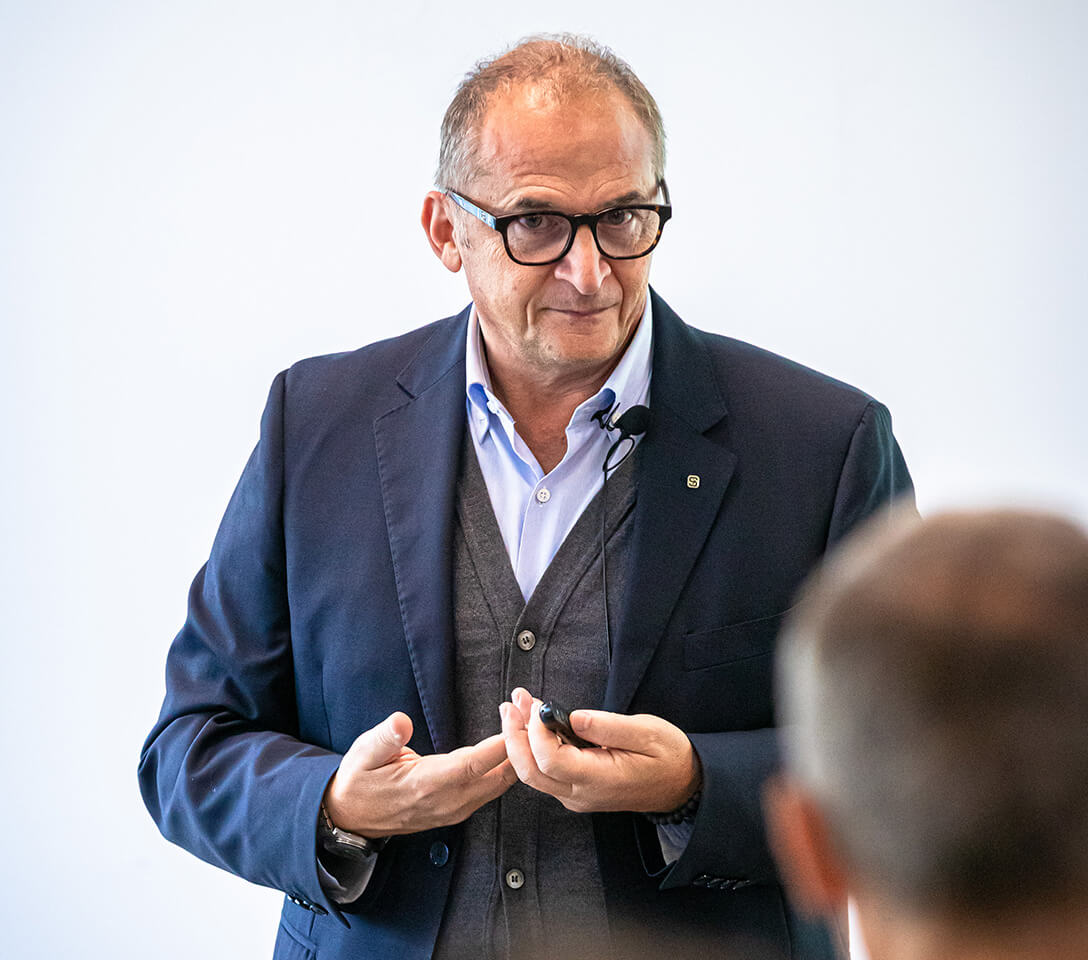
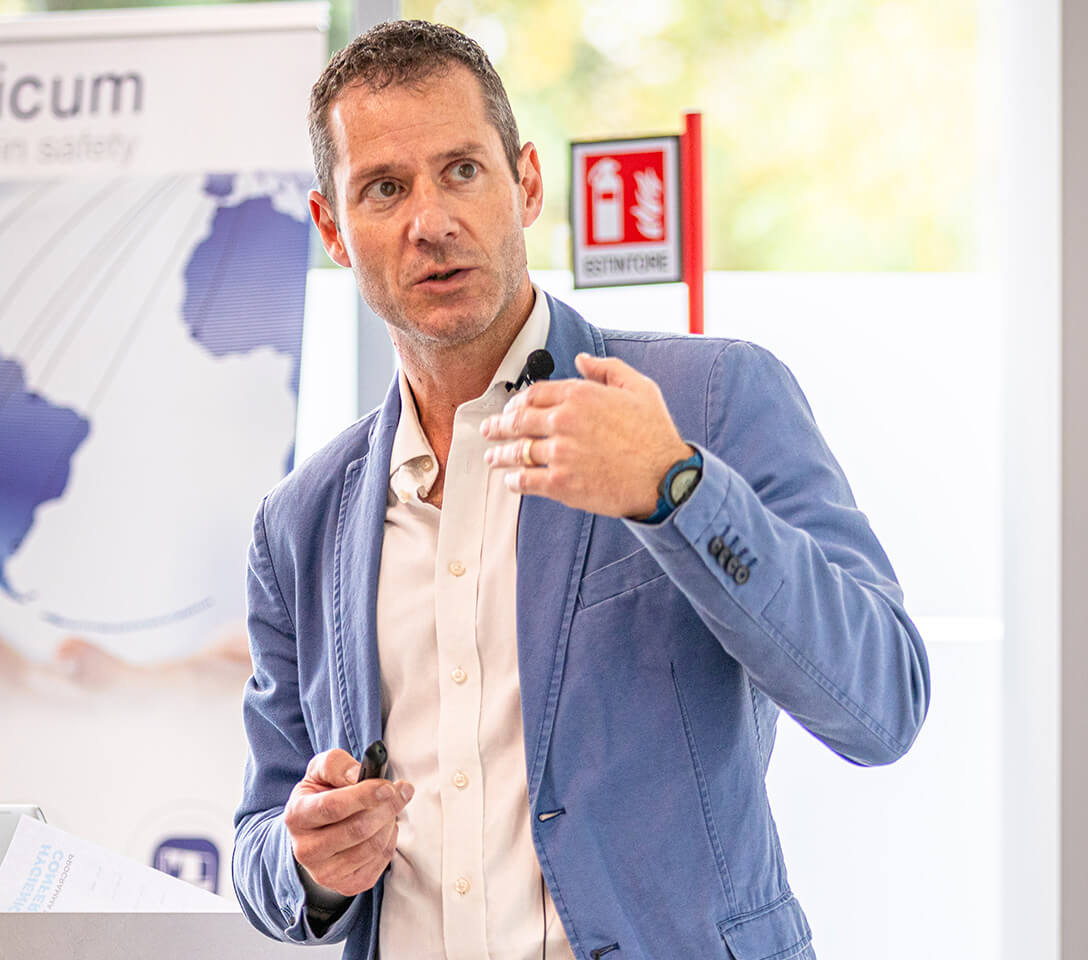
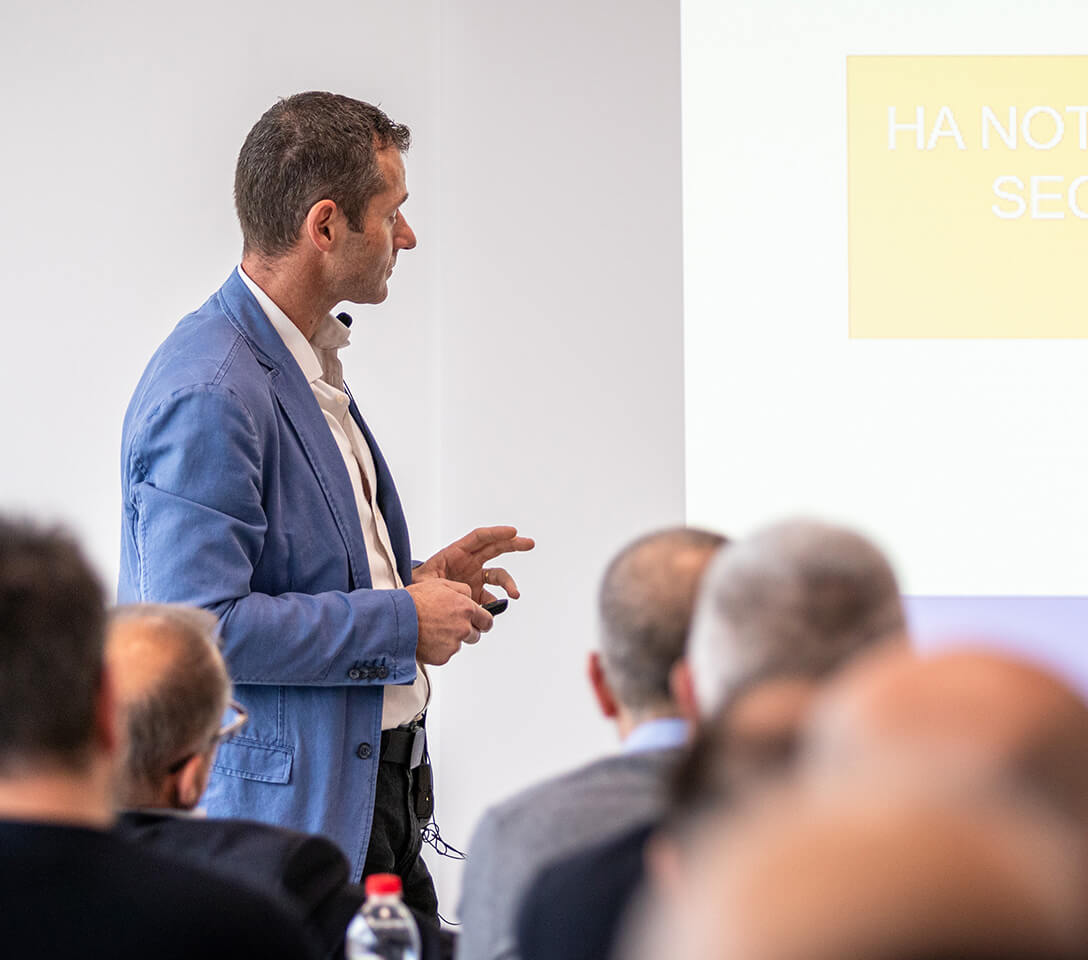
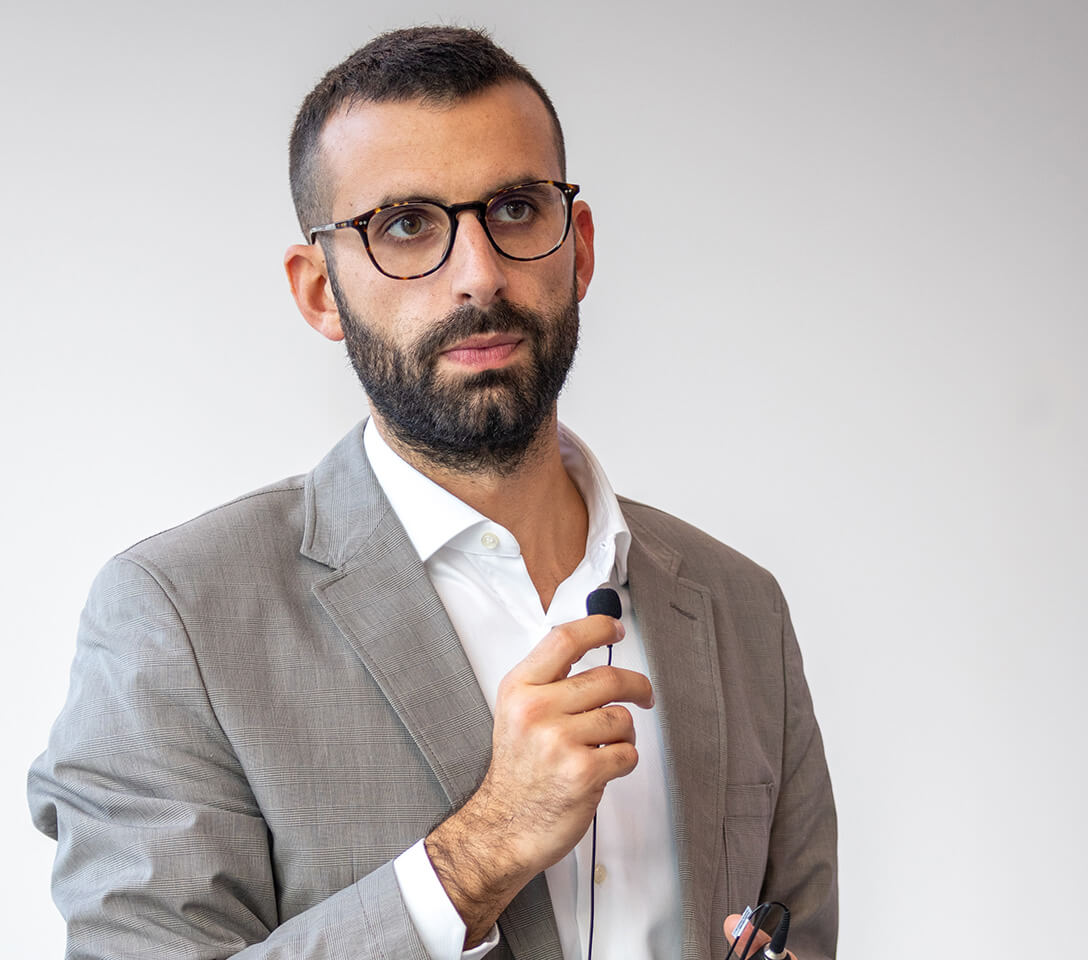
Engineer De Benedetto opened the conference with a presentation on the State of the Art and the evolution of Legislation on Industrial Machine Safety.
After an in-depth analysis of key Standards such as EN 1672-2 and EN ISO 14159, De Benedetto explained how the Risk Assessment - following the methodology outlined in EN ISO 12100 - applies to the Food, Chemical, and Pharmaceutical sectors to ensure equipment meets the highest Standards of safety and compliance.
Next, Giampaolo Betta focused on the microbiological risks faced by consumers and operators in the food sector, analyzing recent RASFF data on pathogen contamination. Betta emphasized how Hygienic Design is essential to prevent microorganism proliferation in food production environments and noted how the concept of Hygienic Design is formally recognized and valued by leading institutions such as EFSA, GFSI, and EHEDG.
Practical Applications of Hygienic Design: Robotics, Guards, and Safety Devices
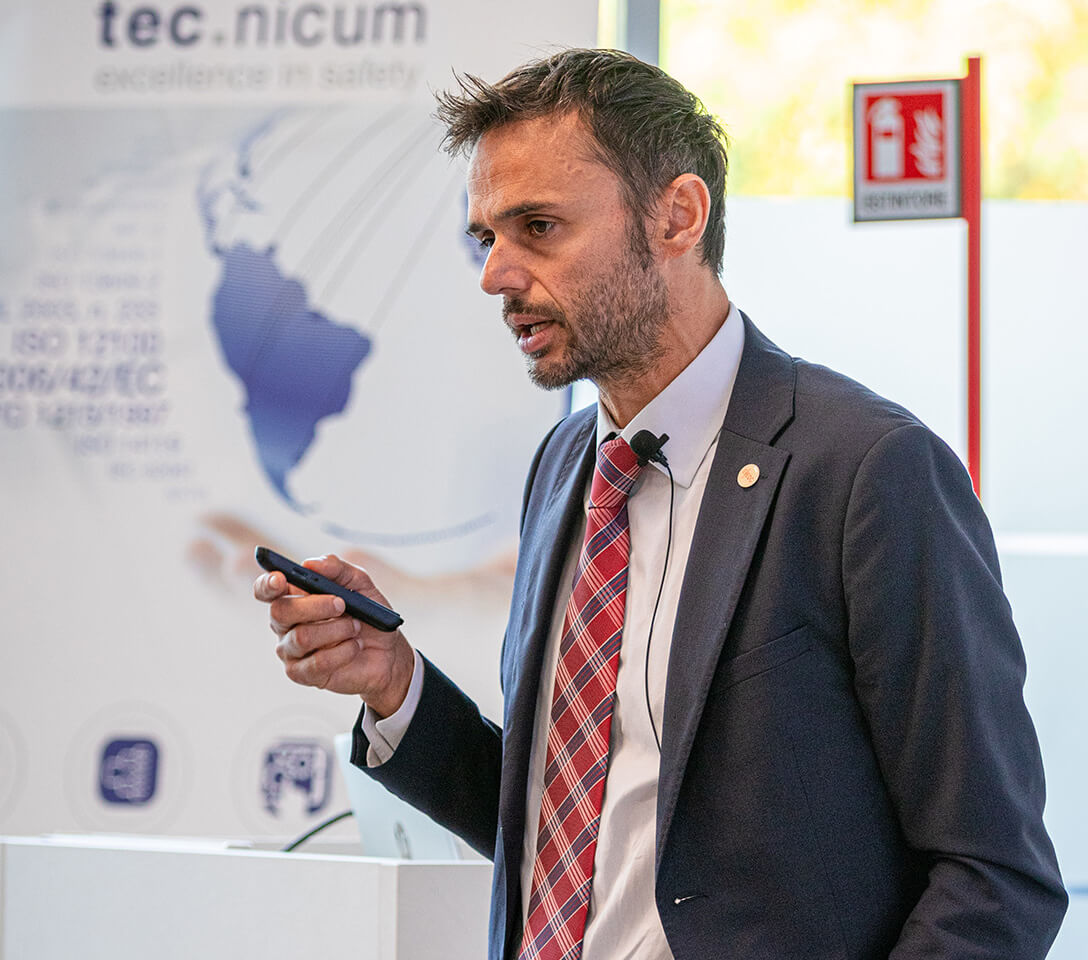
Andrea Tanzini opened the second part of the conference with an in-depth analysis of robotics in the food sector. He demonstrated how robotic automation can reduce contamination risks, improve operator safety and increase productivity. With a design tailored to sanitizable environments and compatibility with detergents and disinfectants, the latest generation of hygienic robots addresses challenges of the food sector by offering highly specialized solutions.
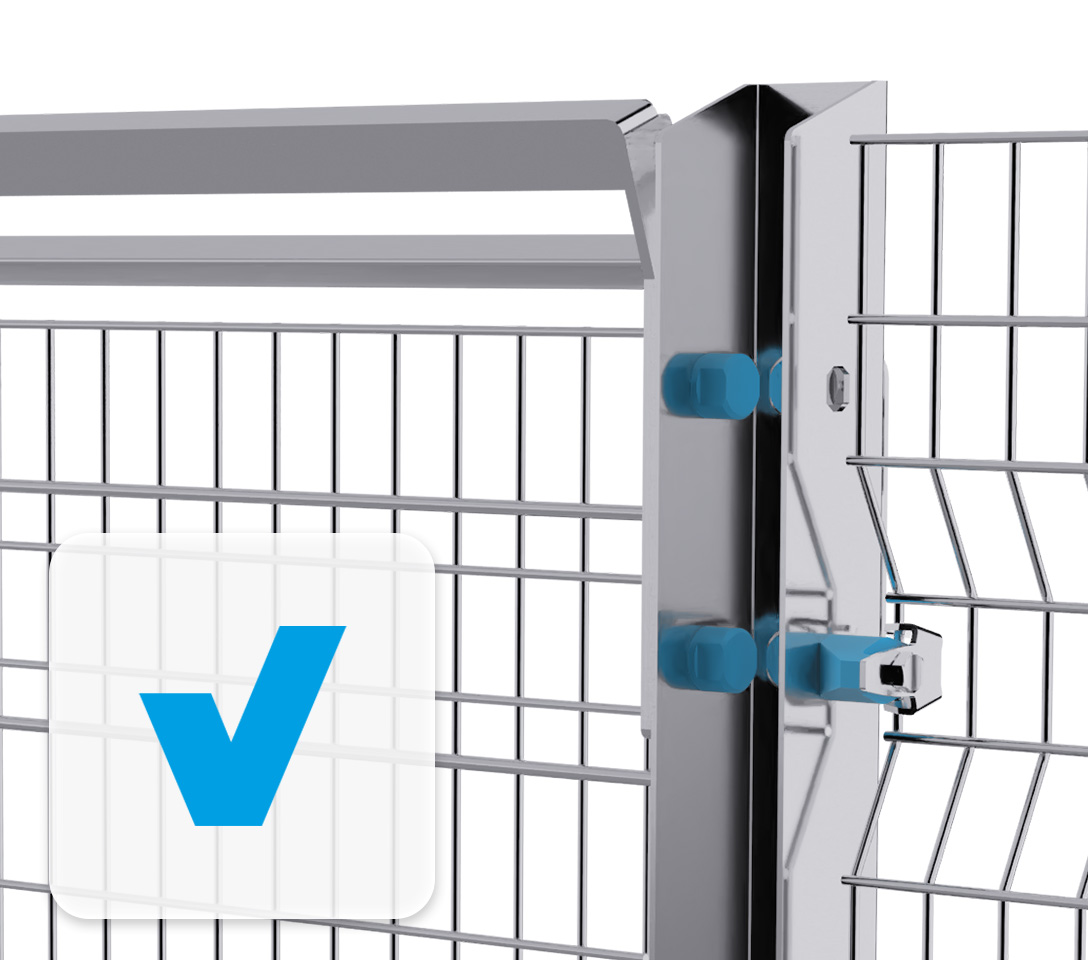
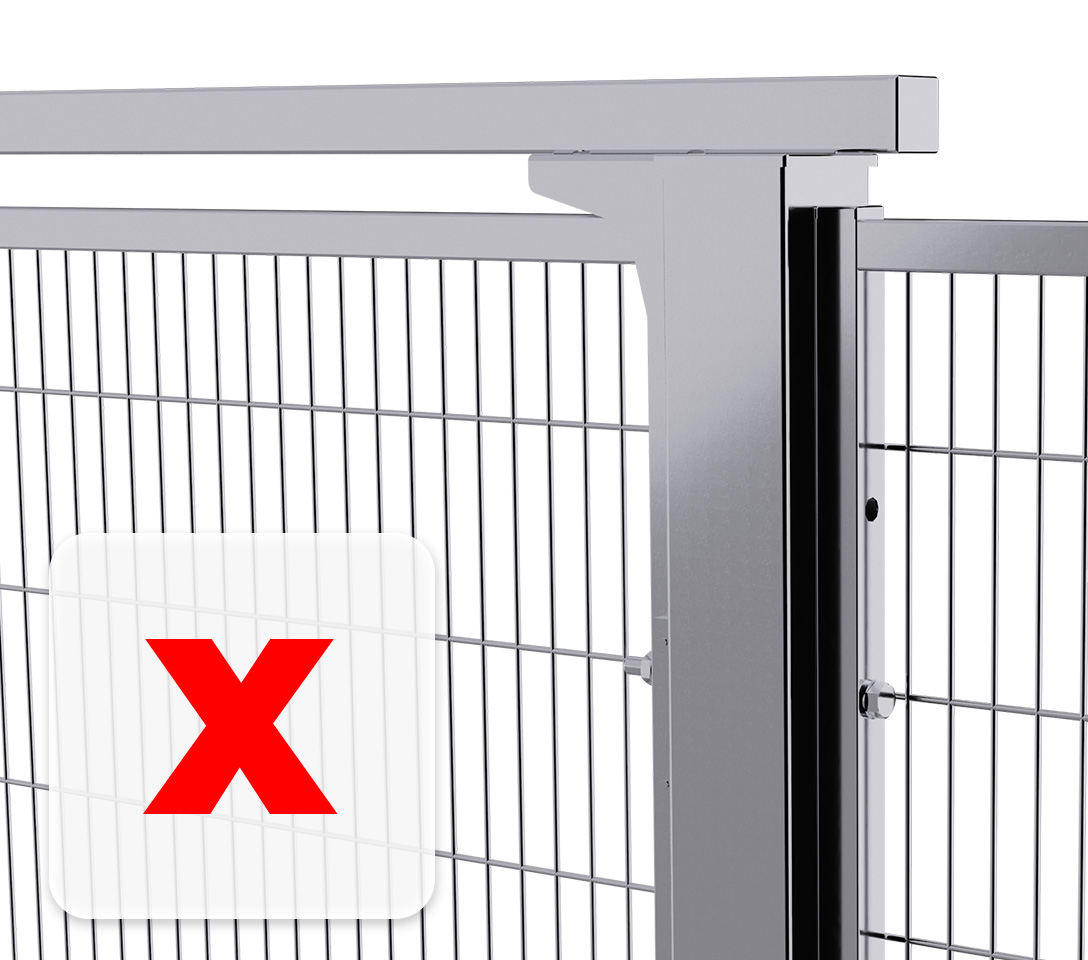
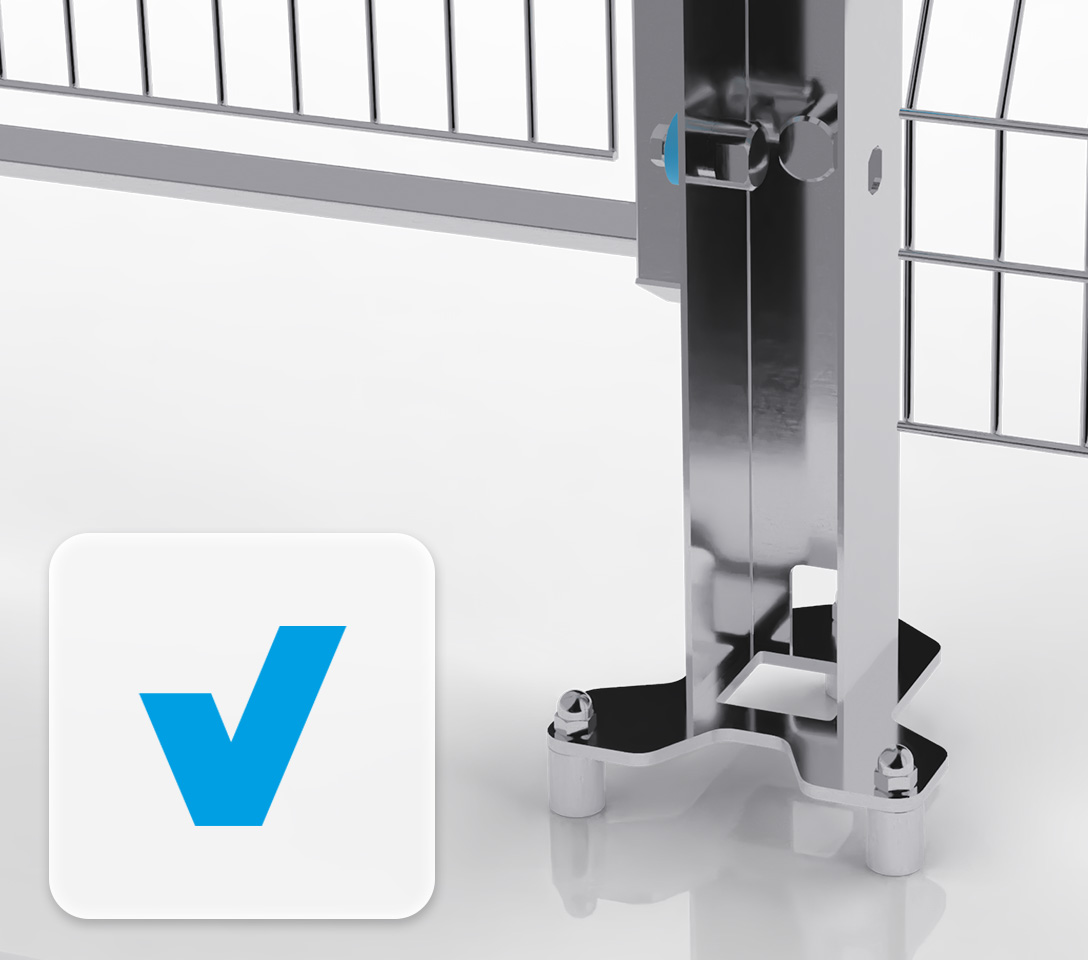
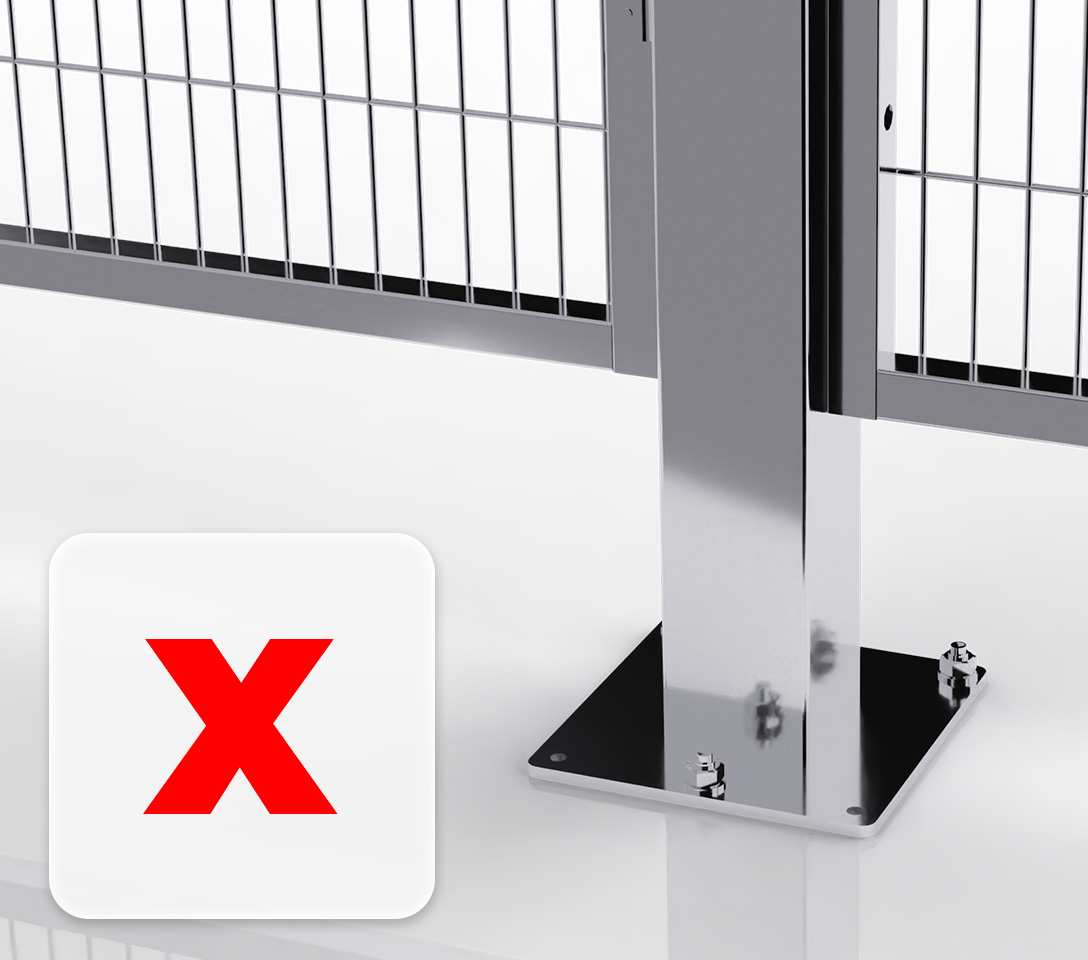
Gabriele Mastrandrea introduced regulatory references concerning Industrial Guards, which must be designed and built according to EN ISO 14120, while the food industry is also governed by EN ISO 14159 for hygiene requirements. Mastrandrea elaborated on this Standard, illustrating the specifics of a Hygienic Guard and clarifying that using stainless steel components alone is insufficient to meet cleanability requirements.
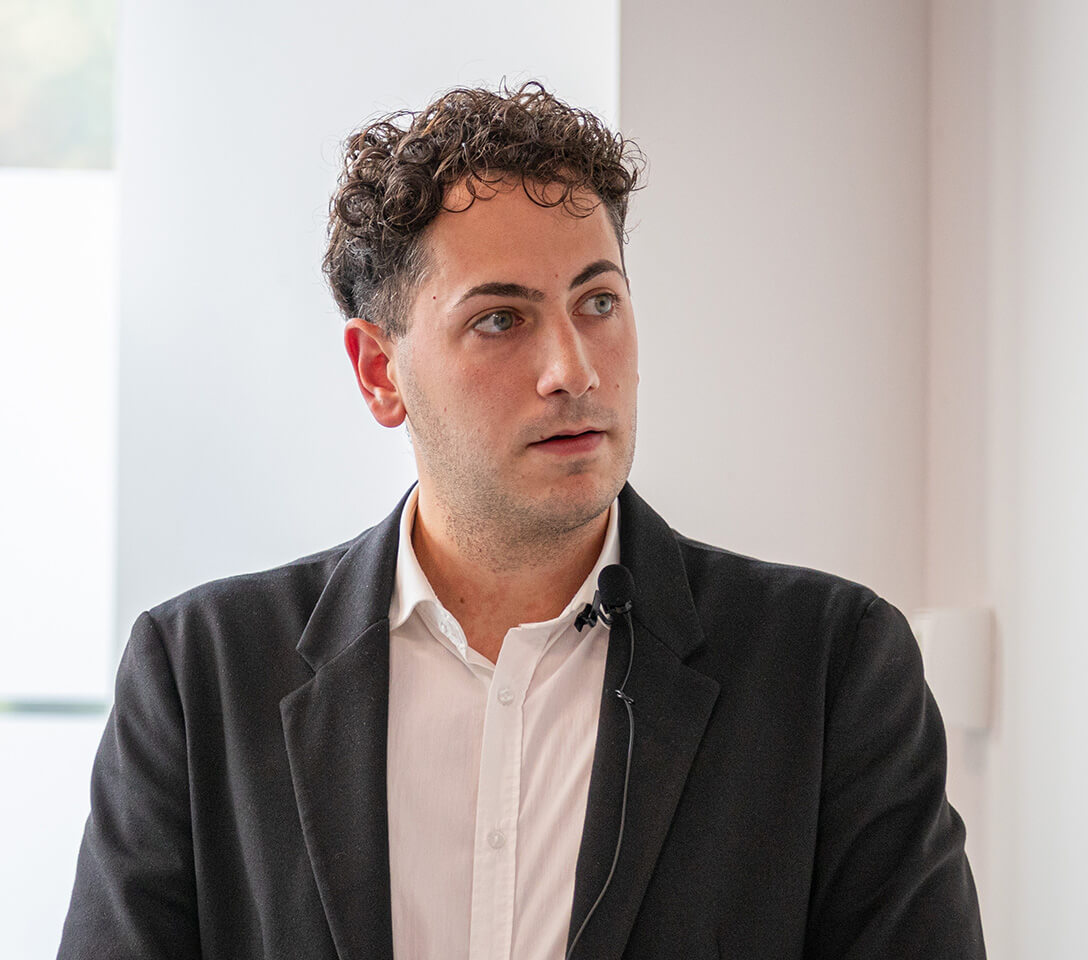
By highlighting theirkey features—i.e. reduced floor contact surface, inspectability of components, and minimization of horizontal surfaces—Mastrandrea also showed how Hygienic Fencings for food environments meet both safety and hygiene needs. The selection of Guards should always be preceded by a thorough Risk Analysis conducted per EN ISO 12100.
To conclude the session, Andrea Grassi discussed the main challenges in the Hygienic Design of Safety Switching Devices. Grassi covered best practices for integrating Interlocking Systems in food industry environments, noting that such components, by design, often pose challenges concerning hygienic principles. When it is not feasible to eliminate these limitations, alternative solutions such as component optimization or the use of light curtains are essential.
An Active Exchange Among Professionals
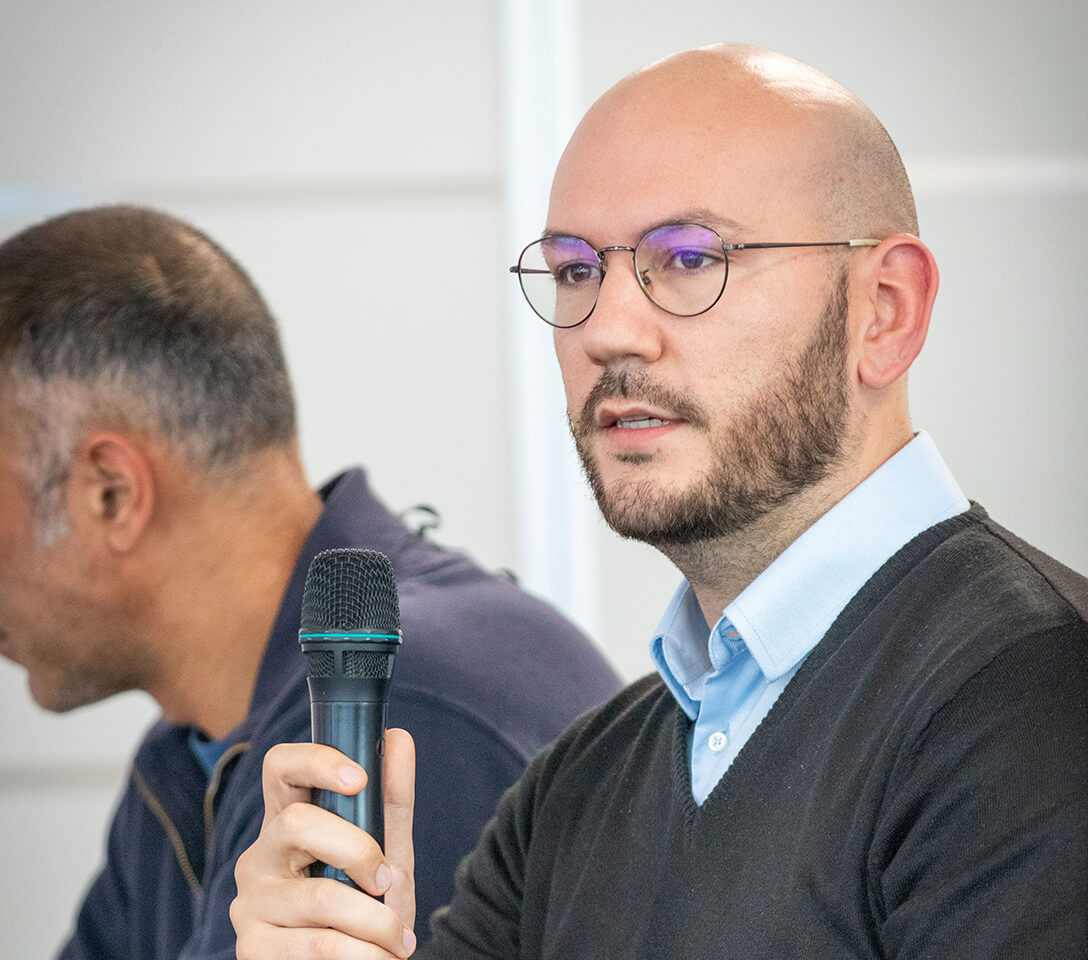
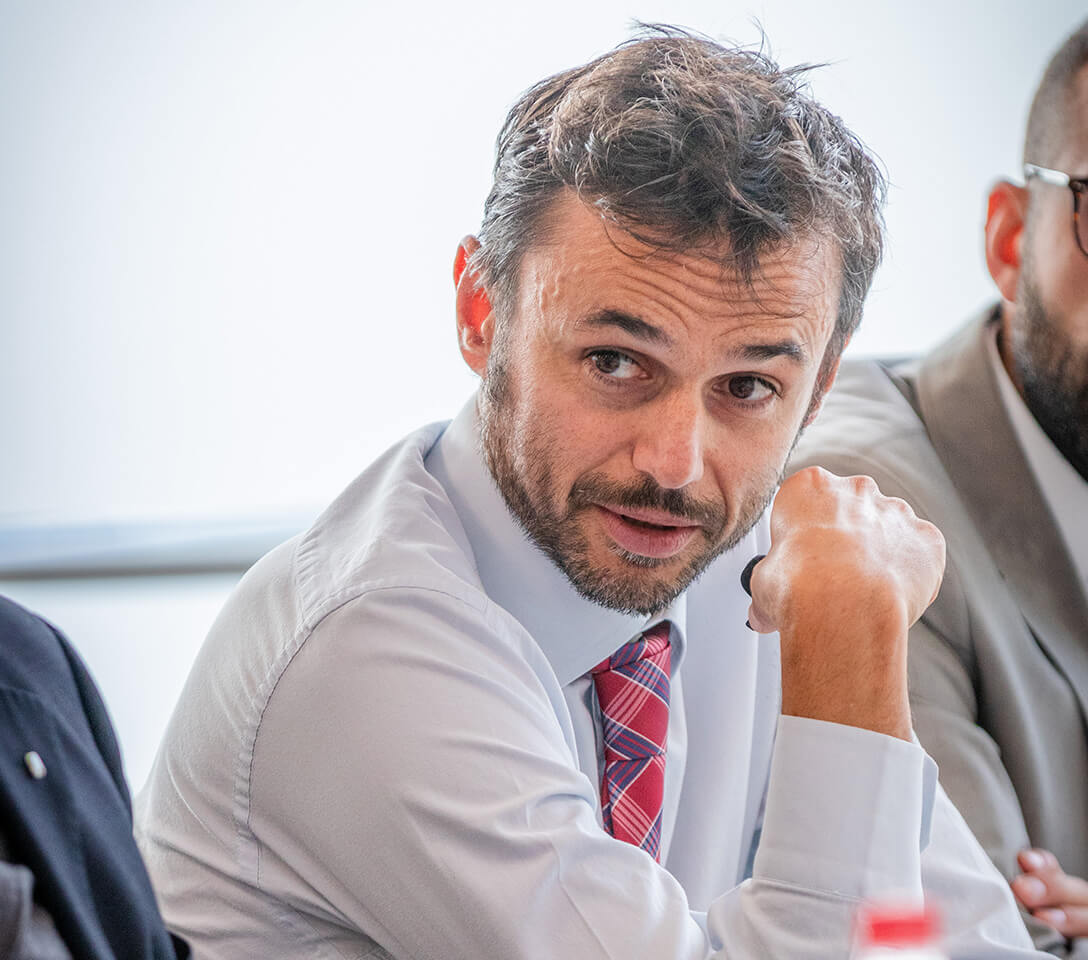
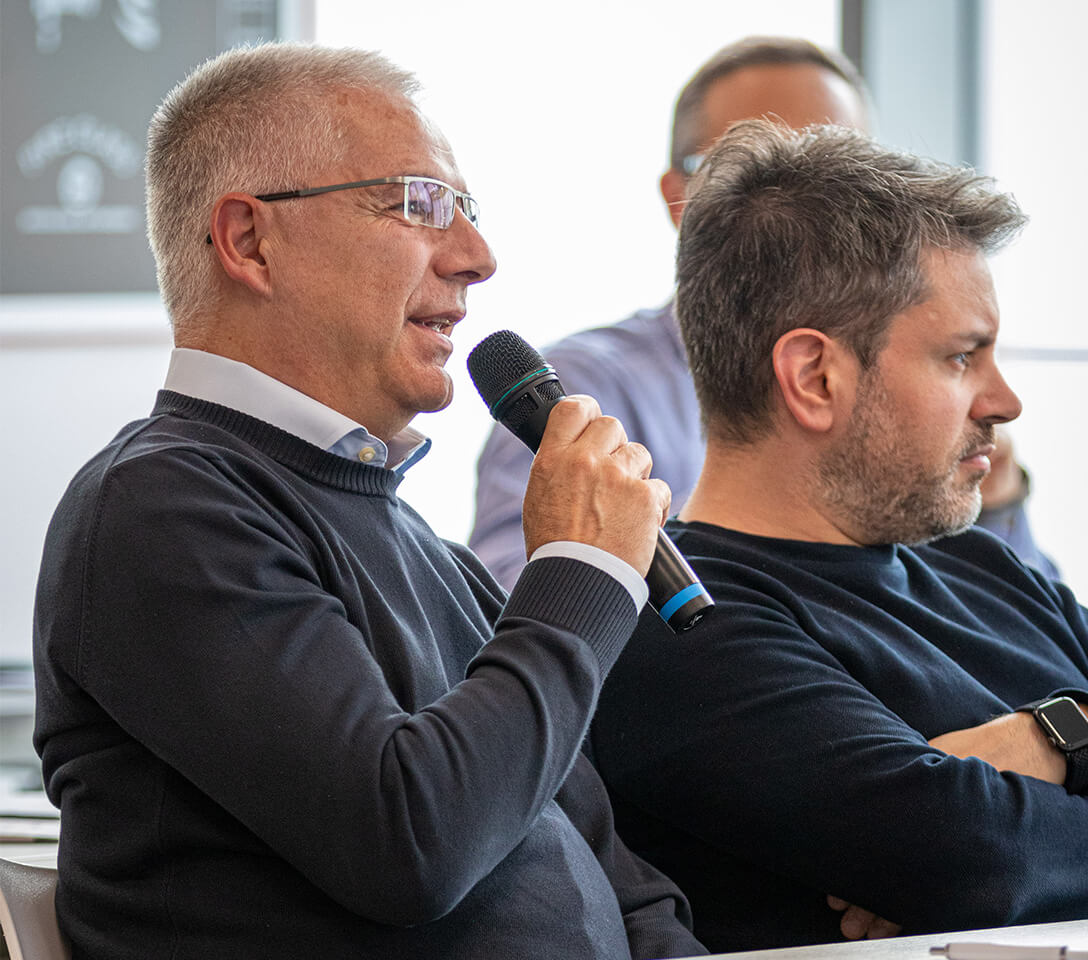
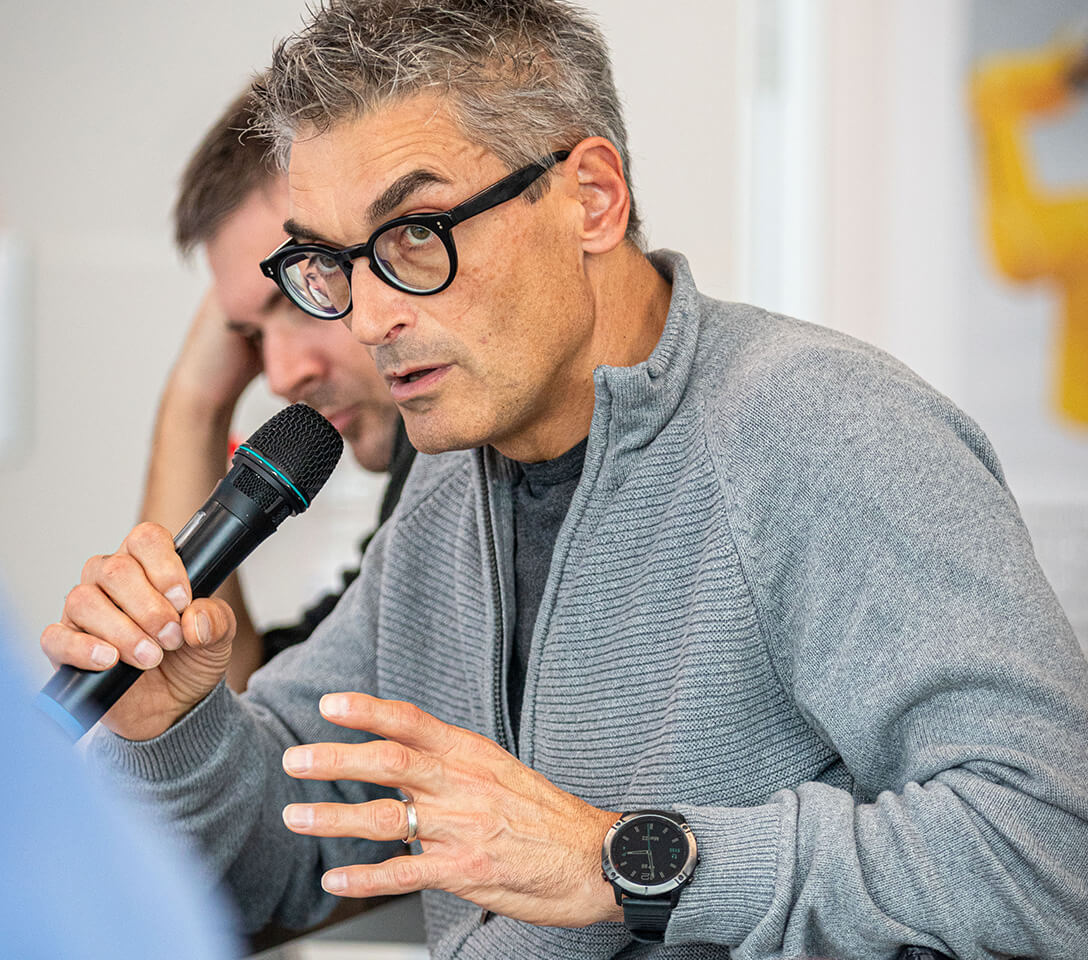
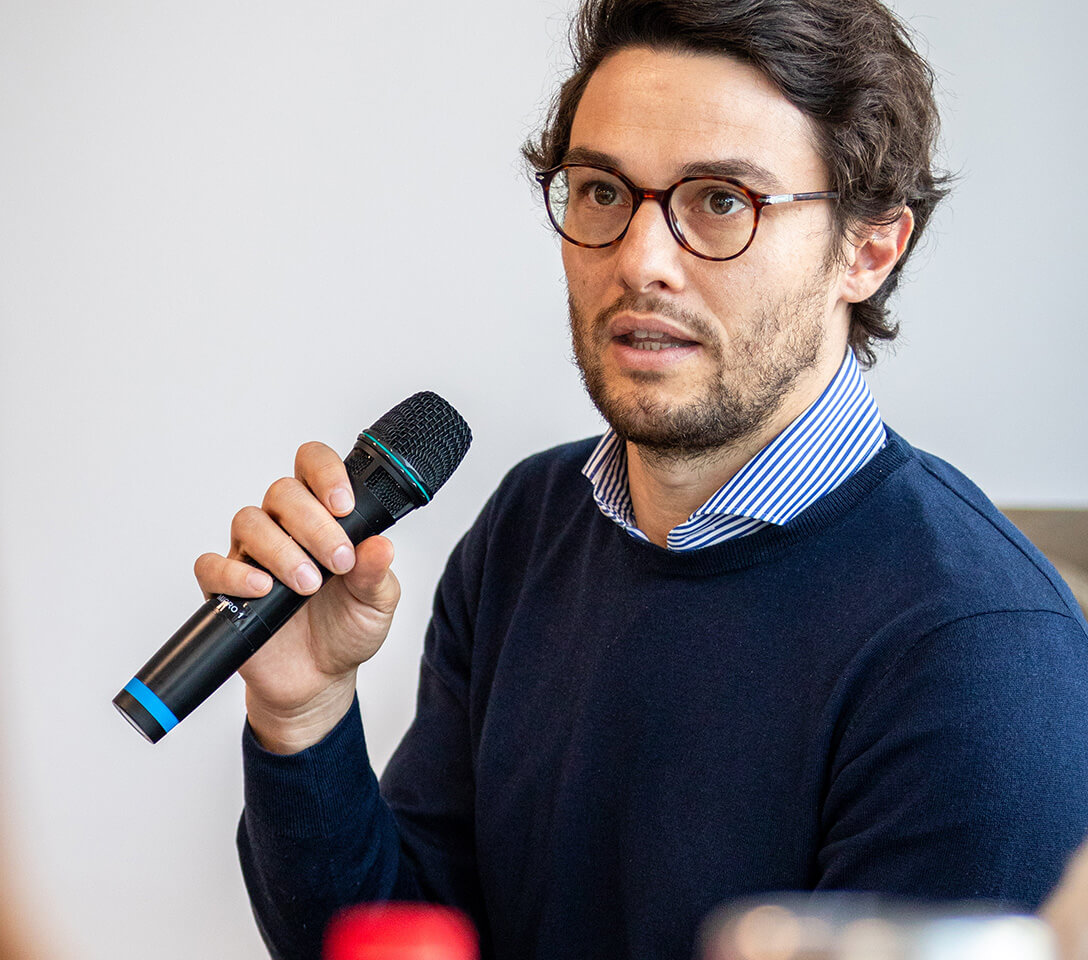
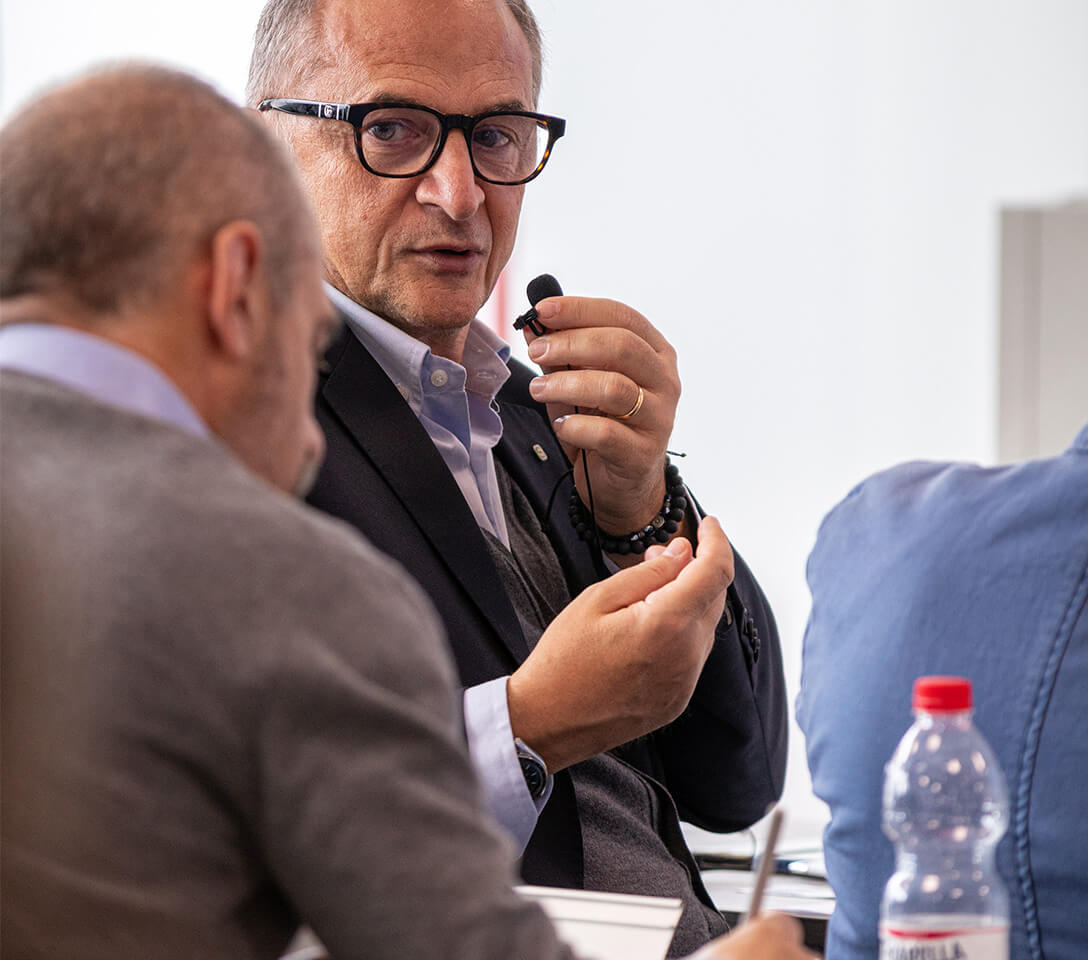
During the concluding session, participants had the chance to engage directly with the speakers, fostering a lively exchange of ideas, experiences, and practical solutions. This informal yet invaluable moment allowed for deeper insights into the topics discussed and fostered new connections within the industry, enriching the event with fresh perspectives.
A Shared Commitment to Industrial Safety
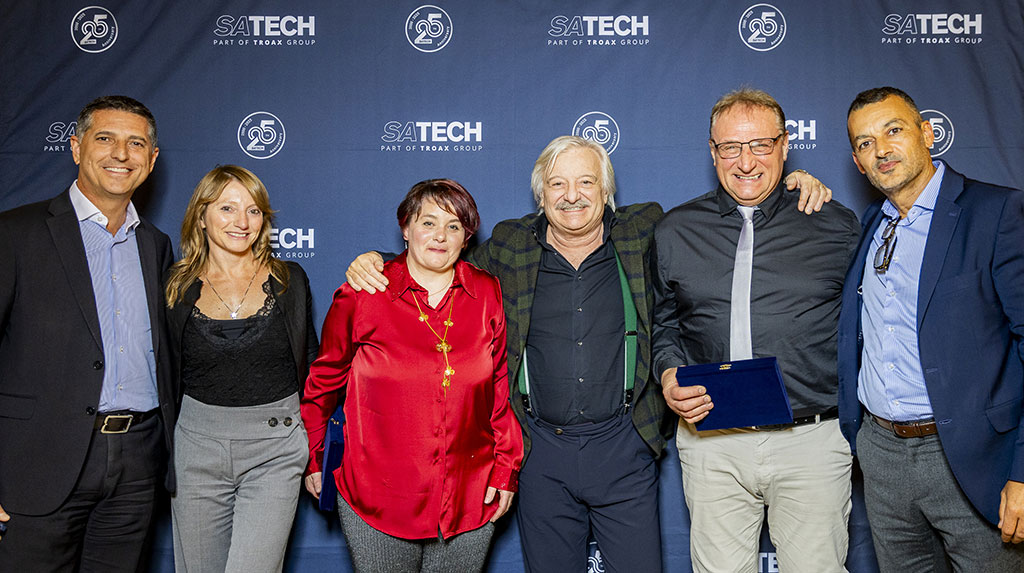
The Hygienic Design Conference provided an invaluable opportunity for dialogue and networking among all participants, contributing to the spread of a Culture of Safety and its Best Practices. A fruitful experience enabled by the collaboration with our organizing partners Schmersal, Stäubli, SIIIA and by the many professionals and companies who joined the workshop.