Satech-website-–articolo-accessori-hero-x-large

Modifying a perimeter guard: the accessories that simplify retrofits and extensions

When a plant changes, it isn't always necessary to rebuild the entire perimeter guard. With the right accessories, existing panels can be adapted, extended and completed without having to start again from scratch.

Why a perimeter guard needs to evolve alongside the production plant

A perimeter guard is designed around the production layout at a specific point in time. The plant itself, however, never stands still: machinery, footprints and workflows change over time. The fencing, even if still intact, remains anchored to its original configuration. The result is coverage that no longer matches the new layout, with the risk of uncontrolled access points or exposed hazardous areas.

Faced with a change, the most common reaction is to assume the entire affected section of fencing needs rebuilding: a new design, machine downtime, and the disposal of material that’s still in good condition. This is a viable route, but one to weigh up carefully depending on the actual problem. In most cases, a targeted intervention focused on the single critical point is enough.
  • Satech-website-–articolo-accessori-filosofia-satech

The Satech philosophy: adapting the existing guard

When the guard is still intact, the real problem often lies in just one specific point along the perimeter. Satech accessories are designed exactly for this: extending, joining, opening up, resizing or completing an existing panel, so as to adapt it to the plant’s new configuration without touching anything that’s still fit for purpose. Let’s look in detail at the most common situations and how to address them.
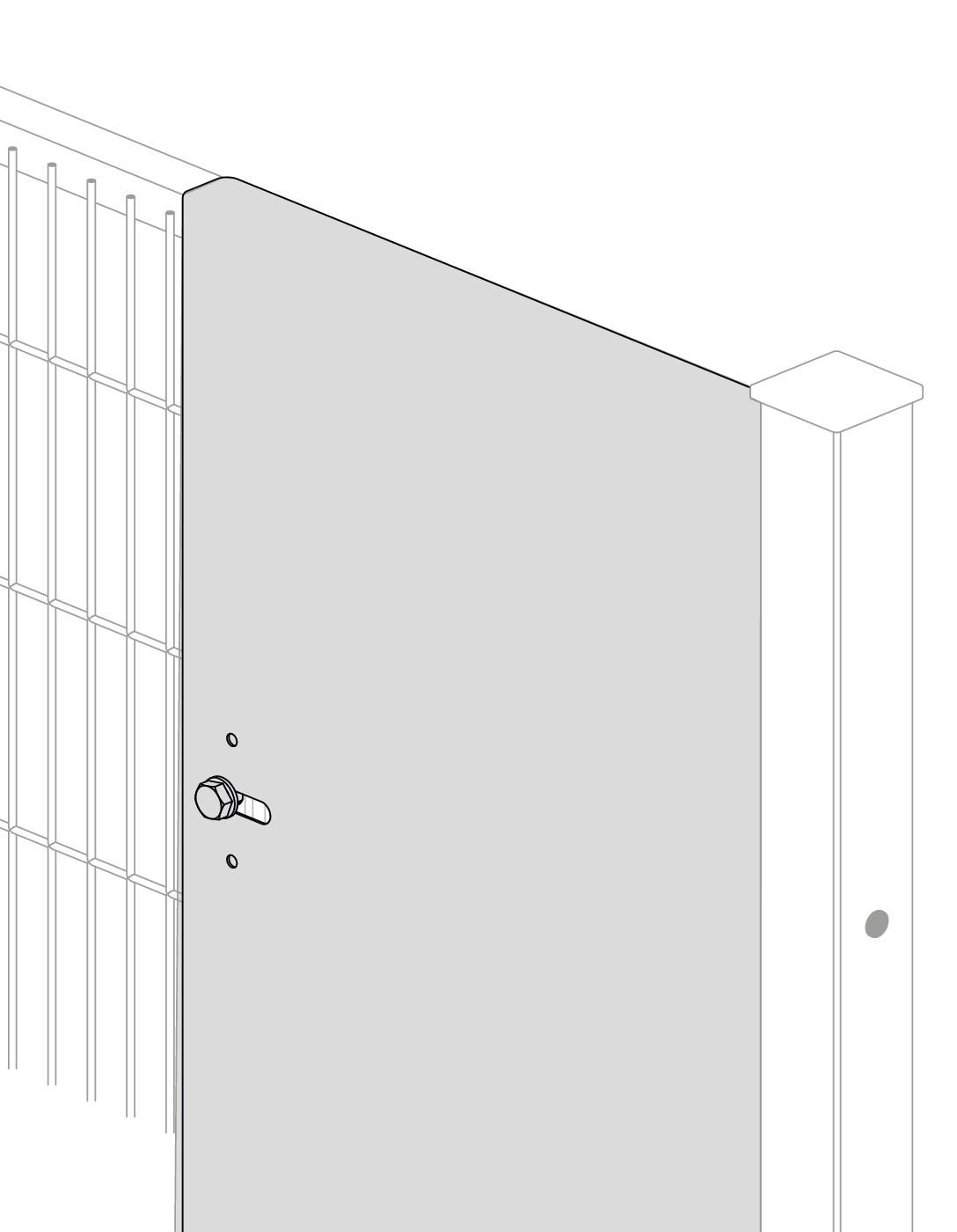
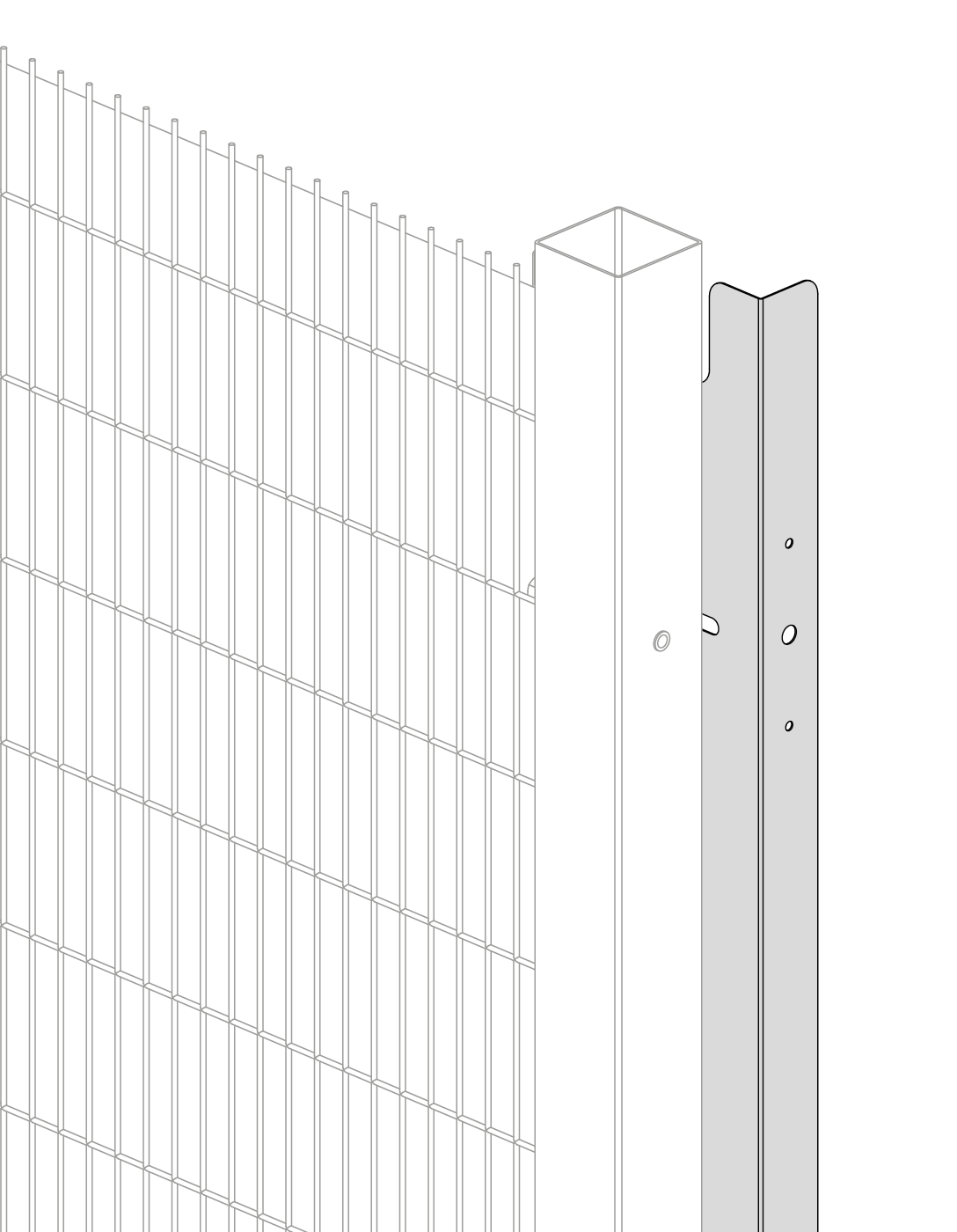
Adjusting panel width: Sheet Metal Panel Extension and Vertical Gap-filling Plate

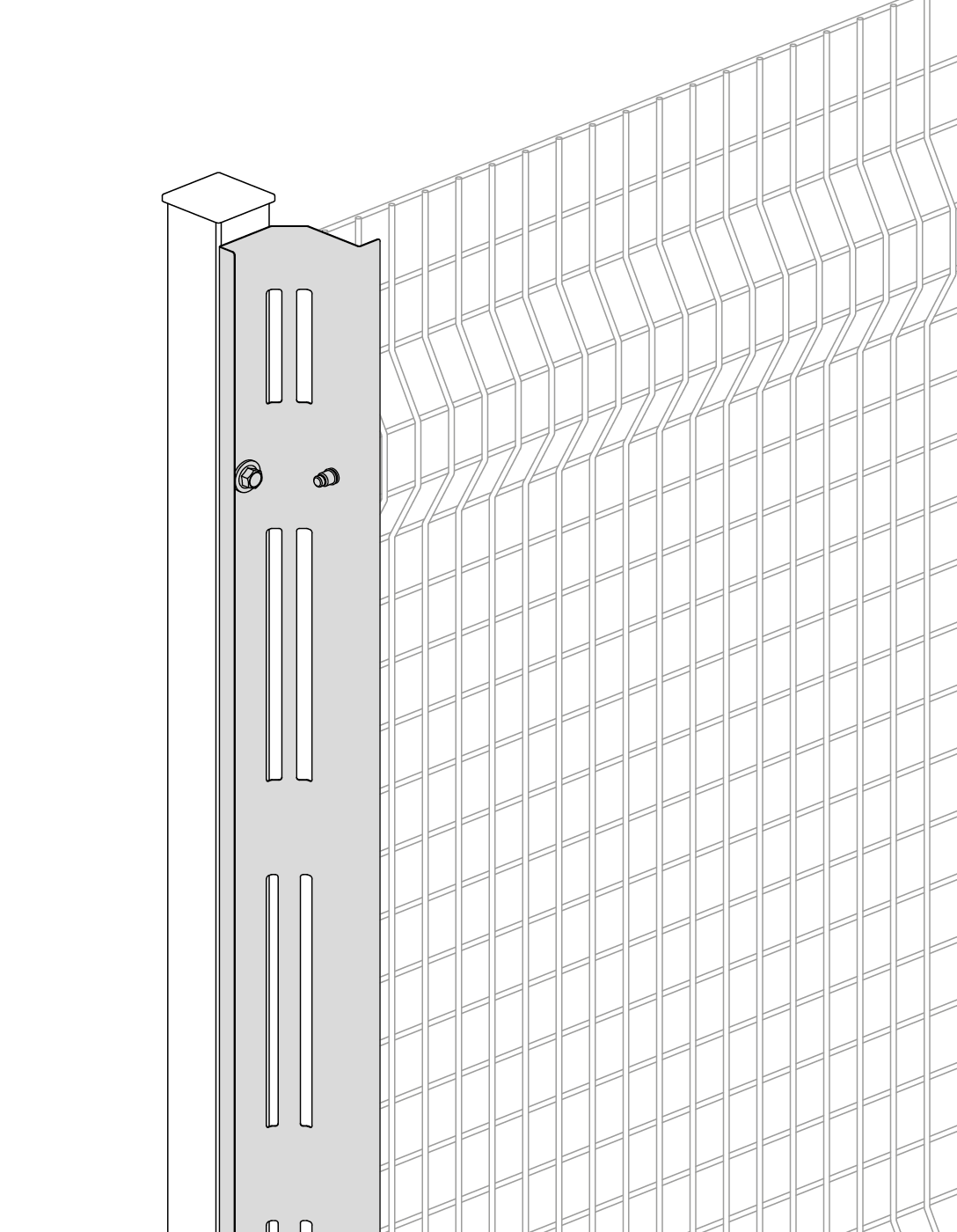
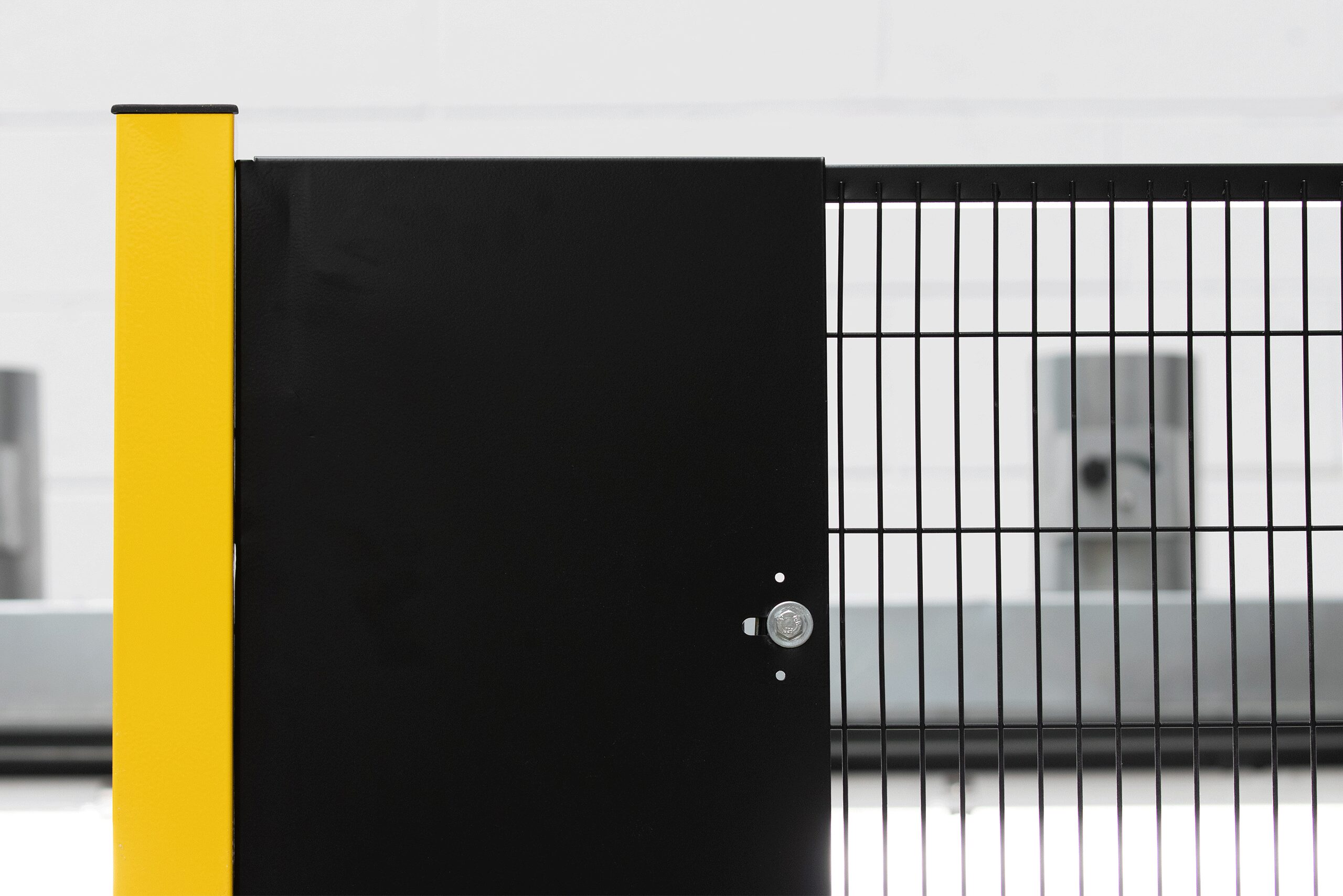
It's common for a new layout to leave exposed gaps along the perimeter. Moving a post just a few centimetres to make room for a new machine can be enough to create a gap between two panels: in this case, within the perimeter, the Satech Sheet Metal Panel Extension can be used, which fixes directly onto the post and adjustably recovers up to 240 mm horizontally on 20x20 mm framed panels and FullSteel panels.

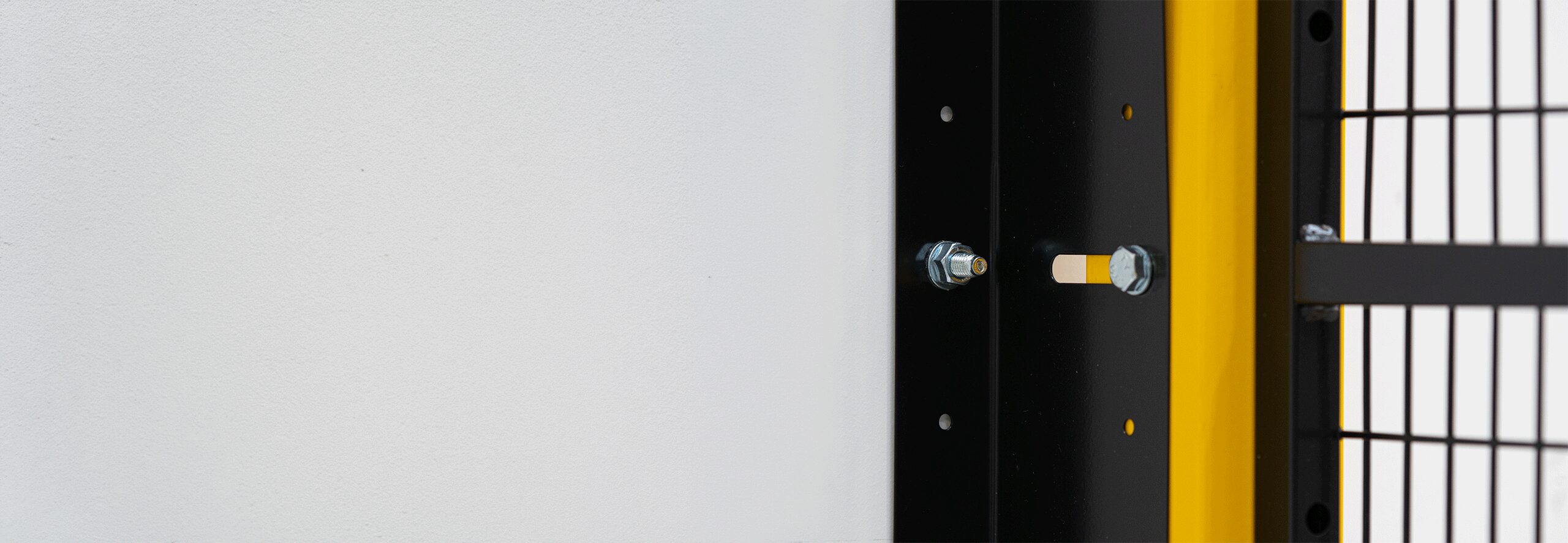
The situation is different when the exposed gap is instead at the edge of the perimeter, between the last post and a wall or column. Here, the best solution is the Vertical Gap-filling Plate, available in heights between 1640 and 3200 mm, which fills the space between the end-of-line post and the fixed structure and prevents access to the hazardous area with limbs.

  • Satech-website-–articolo-accessori-panel-extension
  • Satech-website-–articolo-accessori-tamponamento-verticale
  • Satech-website-–articolo-accessori-angolo-variabile

Redesigning the layout configuration with Variable Angle Junctions

The problem isn't always a gap to fill: sometimes it's the entire fencing route that needs to change direction. This happens, for example, when introducing a new work cell or a conveyor belt forces the guard to route around the obstruction at an angle different from the original one.

This is where Satech's Variable Angle Junctions come in: brackets fixed with screws to the post and panel, capable of creating angles of between 25° and 90° on frameless systems, and between 45° and 135° on panels with a 20 or 30 mm frame.

Preserving layout continuity with the Reinforced Linear Junction

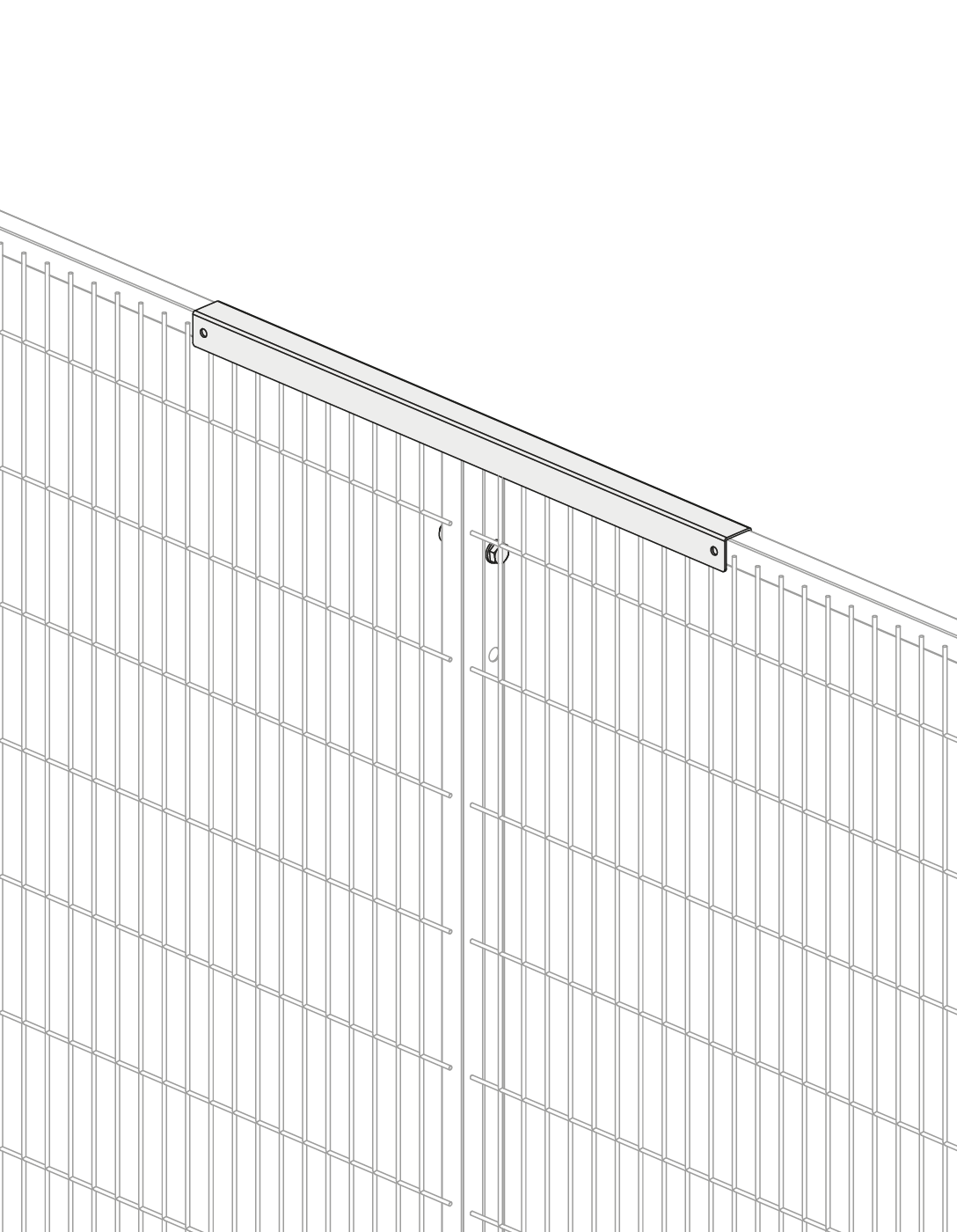
There are situations where panels need to stay perfectly aligned, but it isn't possible to fit a post at the intended point. This happens, for example, when floor cable ducts, plant pipework or other structural elements occupy exactly the space needed for the footing. In these cases, giving up the guard's continuity isn't an option.

For this purpose, the Satech Reinforced Linear Junction can be used, which joins the two panels at the top and requires no ground support at all. In this configuration too, the accessory is compatible with panels with a 20 or 30 mm frame.

  • Satech-website-–articolo-accessori-giunzione-lineare
  • Satech-website-–articolo-accessori-sportello

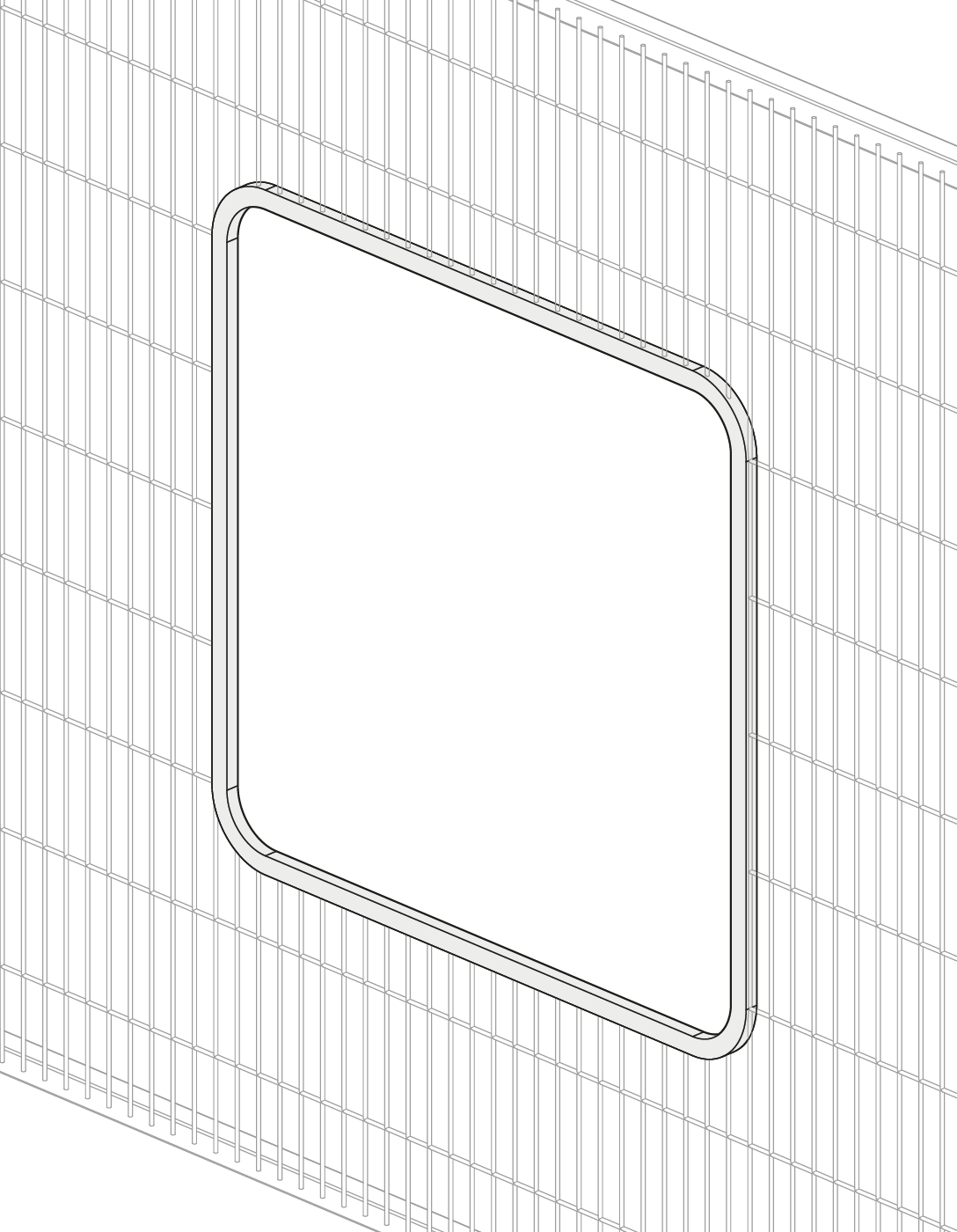
Creating targeted access points with the Insert with Door

Another recurring situation concerns periodic checks: a technician needs to reach a point on the machine for an inspection or to take samples for statistical process control, and the guard panel completely blocks access to that point. Then there are emergency situations: in a paper mill, for instance, it can happen that quick action is needed on a paper reel that has jammed, but here too the guard gets in the way of access.

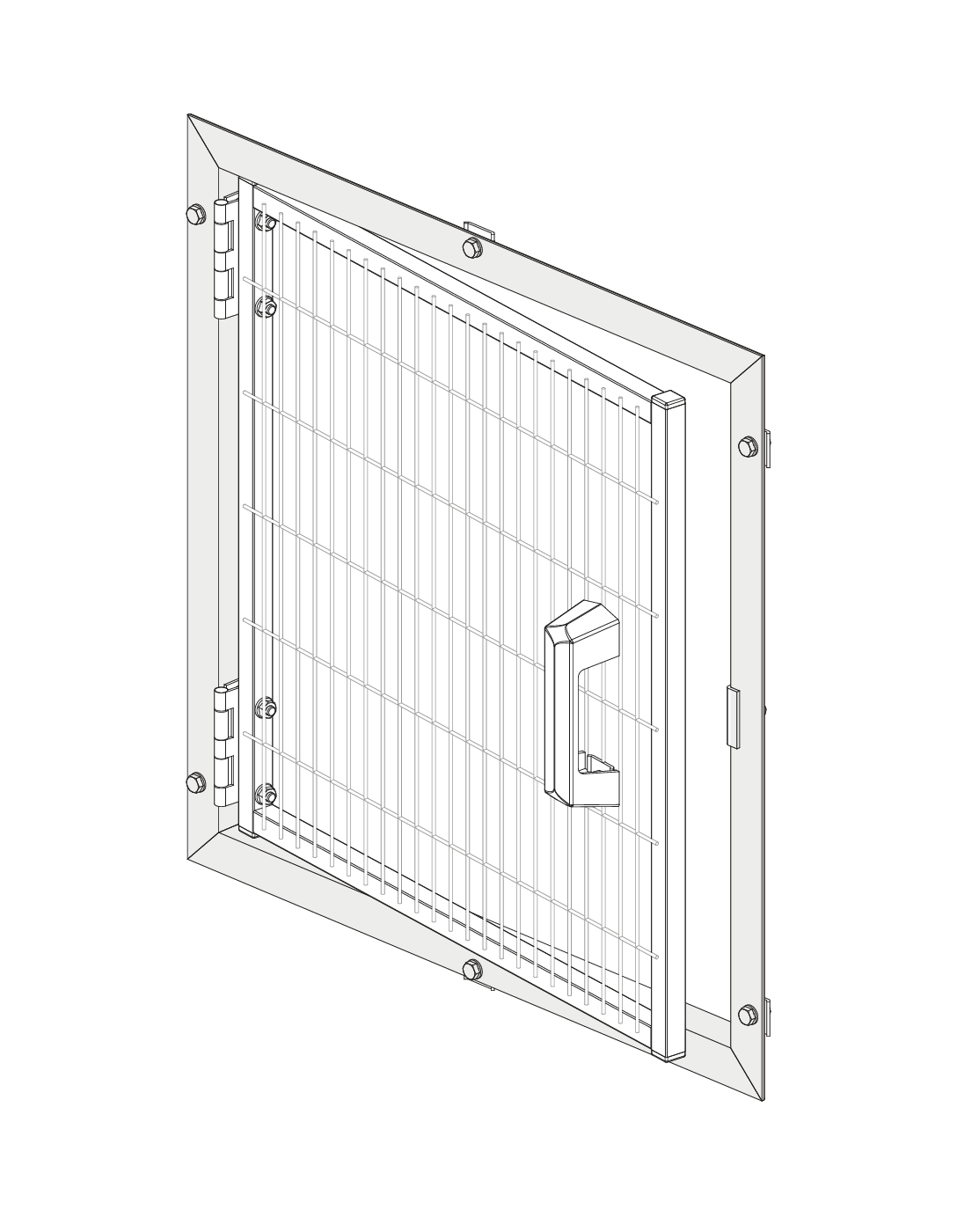
In both cases, opening up an entire uncontrolled passage would represent an additional risk. The answer to these needs is the Satech Insert with Door, which creates an opening of 400×400 mm or 600×600 mm directly in panels with a 20 or 30 mm frame, and can be paired with safety switches and interlocks based on the risk assessment.

Resizing the panel on site with the Cutting Kit

Standard panel dimensions don't always match the width actually available: following layout changes, a panel narrower than the standard size may be needed.

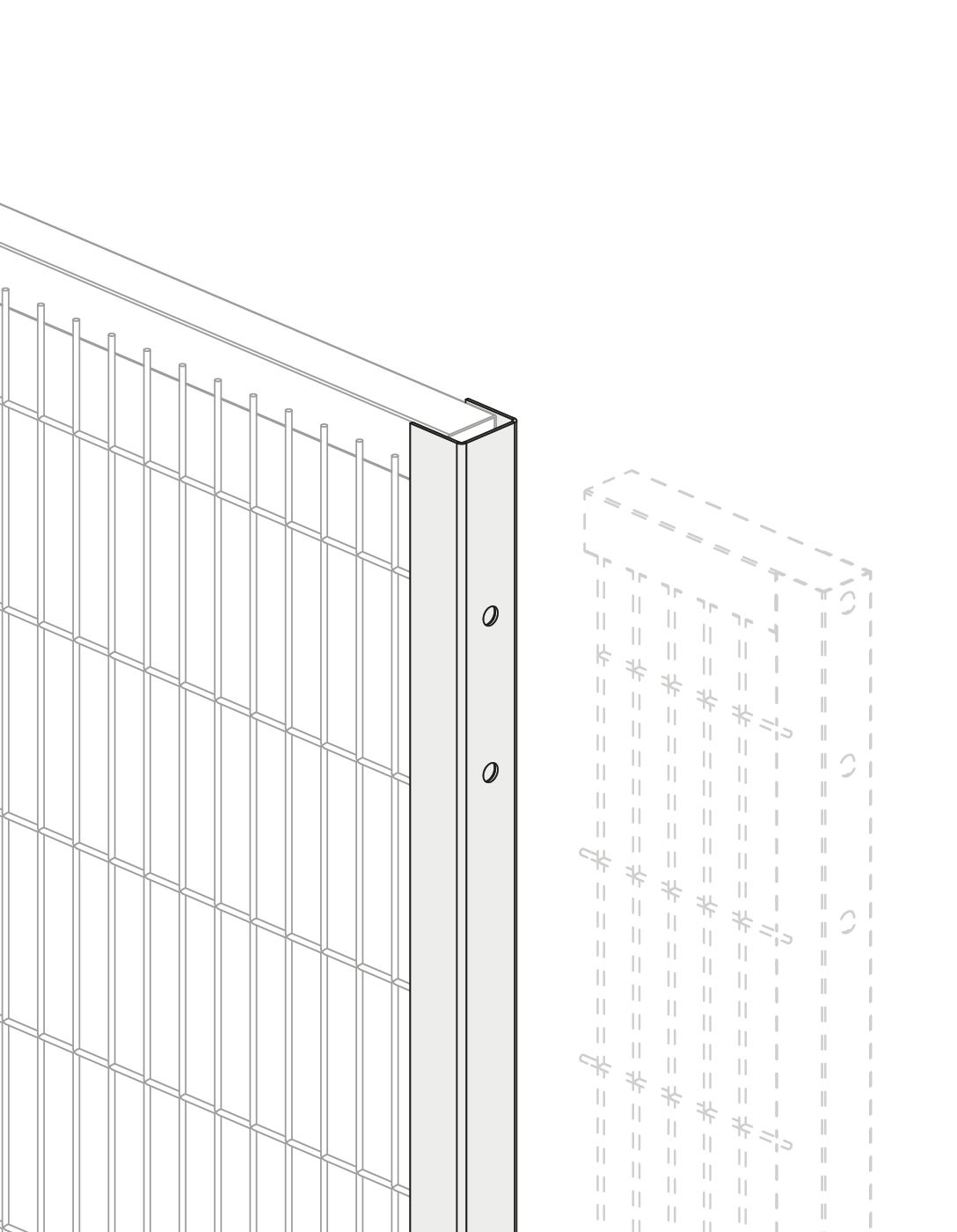
The Satech Cutting Kit, made up of a closing tube, U-profile and self-drilling screws, is designed to resize the panel directly on site, simply and intuitively. After cutting, the kit's components correctly rebuild the edge, so the existing panel can be reused. It's available for panels with a 20 or 30 mm frame.

  • Satech-website-–articolo-accessori-kit-di-taglio
  • Satech-website-–articolo-accessori-guarnizione

Finishing cut edges with the Rubber Profile

Whenever a panel is cut or trimmed on site to suit a particular requirement, an exposed edge is left behind: an unprotected metal profile, potentially sharp, which poses a risk to anyone working nearby.

The Satech Rubber Profile, reinforced with an internal steel core, fits onto the cut profile and completes its finish. It's the accessory used to manage on-site adaptations in an orderly way, maintaining visual and functional continuity with the rest of the guard.

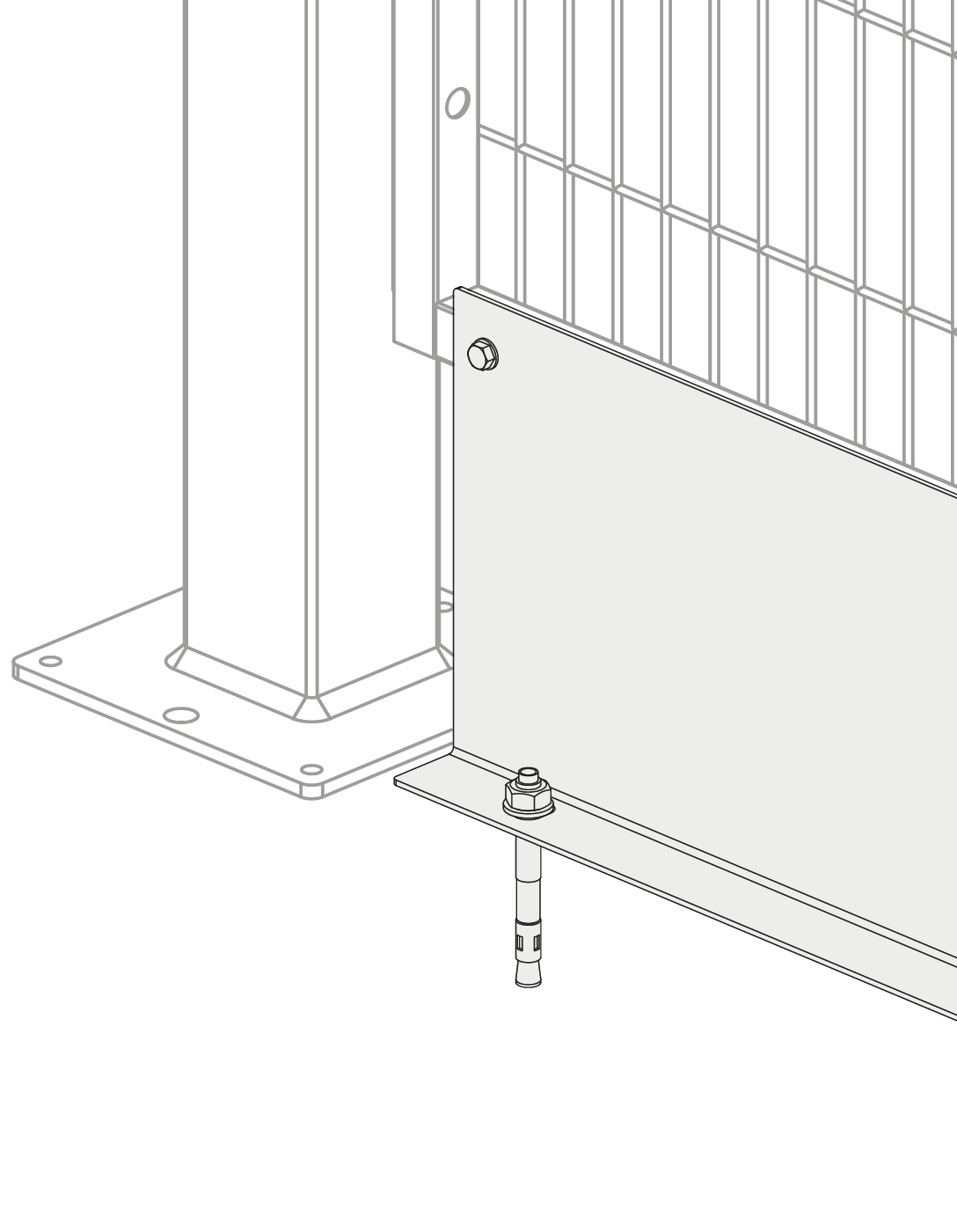
Closing off a hazardous gap with the Ground Gap-filling Plate

Even when the perimeter correctly follows the new layout, a gap can remain between the panel and the floor: a space that's easy to underestimate, but which, from a safety standpoint, constitutes a point of access to the hazardous area. The EN ISO 13857 standard sets out the safety distances to be observed to prevent hazardous areas being reached through openings of this kind. Clearly, a non-compliant gap can compromise the effectiveness of the whole guard.

The Satech Ground Gap-filling Plate closes this gap between panel and floor, in order to prevent access of any kind and limit the escape of processing residues.

  • Satech-website-–articolo-accessori-tamponamento-orizzontale

Adapting the perimeter guard with accessories

Satech accessories are designed to work on a perimeter guard that's already installed, so that it can be adapted to new requirements without having to dismantle it and rebuild it from scratch. In the Accessories and Brackets section of our website, you'll find all the solutions compatible with the main systems, along with downloadable assembly instructions for every product.

Get in touch with us today

for further information or to request a free quote.

QUICK CONTACT
Popup image Popup image

Global distribution and offer availability

Satech Solutions are distributed in over 40 Countries worldwide, locally.

Systems composition, product availability and technical specifications might vary depending on your geographic area of interest.

Your local Satech Representative is available to help you choose and to provide you with the latest information.

  • Satech-website-–articolo-accessori-filosofia-satech